Country Versions | Great Britain Flag | USA Flag | Canada Flag
GardenSeeker.Garden Pruning Businesses Search Gardening Gifts ☰

How to Prune Pieris: Your Complete Care Guide | Lily of the Valley Bush

How to Prune Pieris

How To Prune Pieris japonica

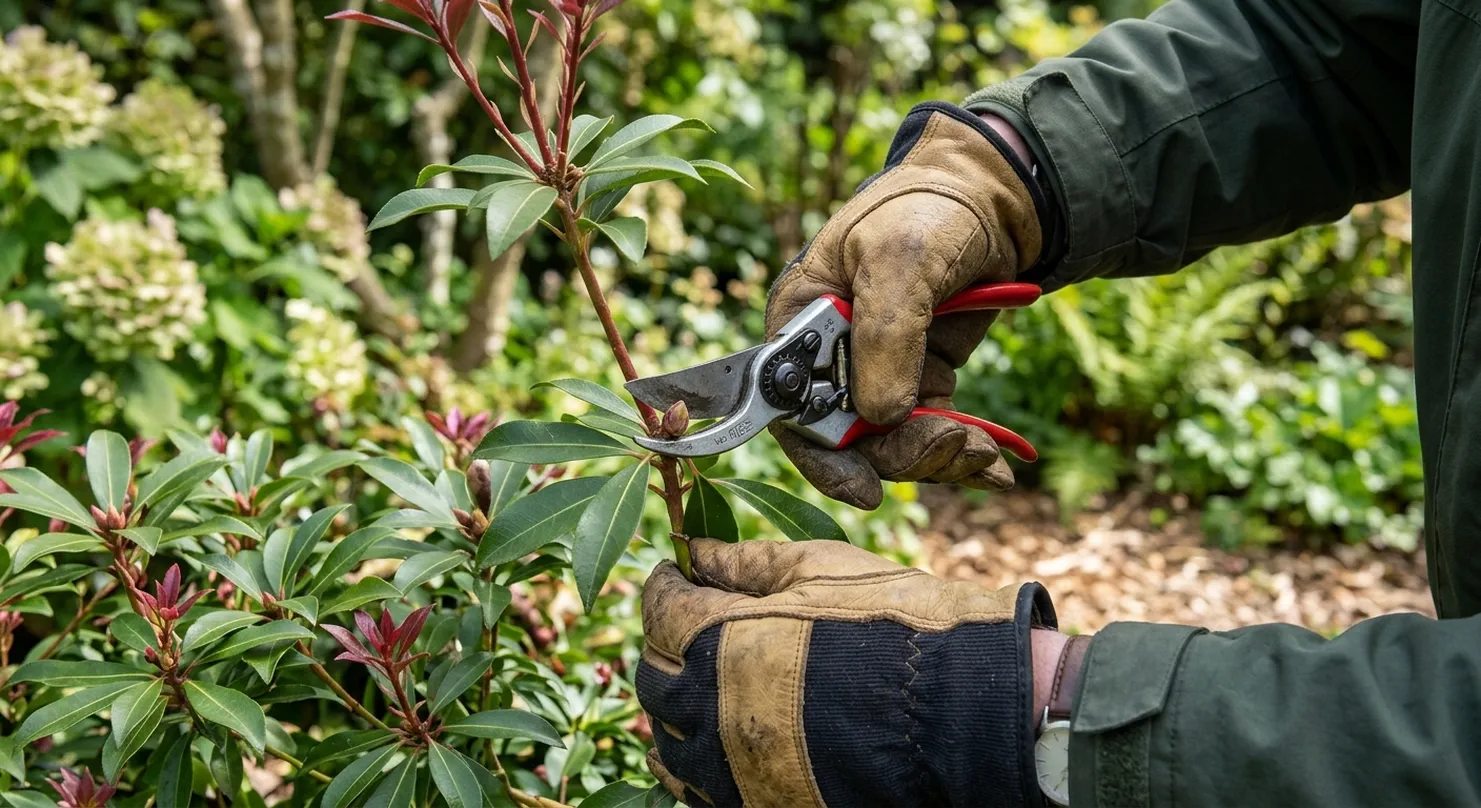
Prune Pieris japonica immediately after flowering fades, usually late winter to early spring. Remove dead or damaged wood first, then shape the shrub and thin crowded stems using clean, sharp bypass shears. Avoid pruning in autumn or winter, as this removes the flower buds Pieris sets over summer, leaving you with a disappointing display the following spring.

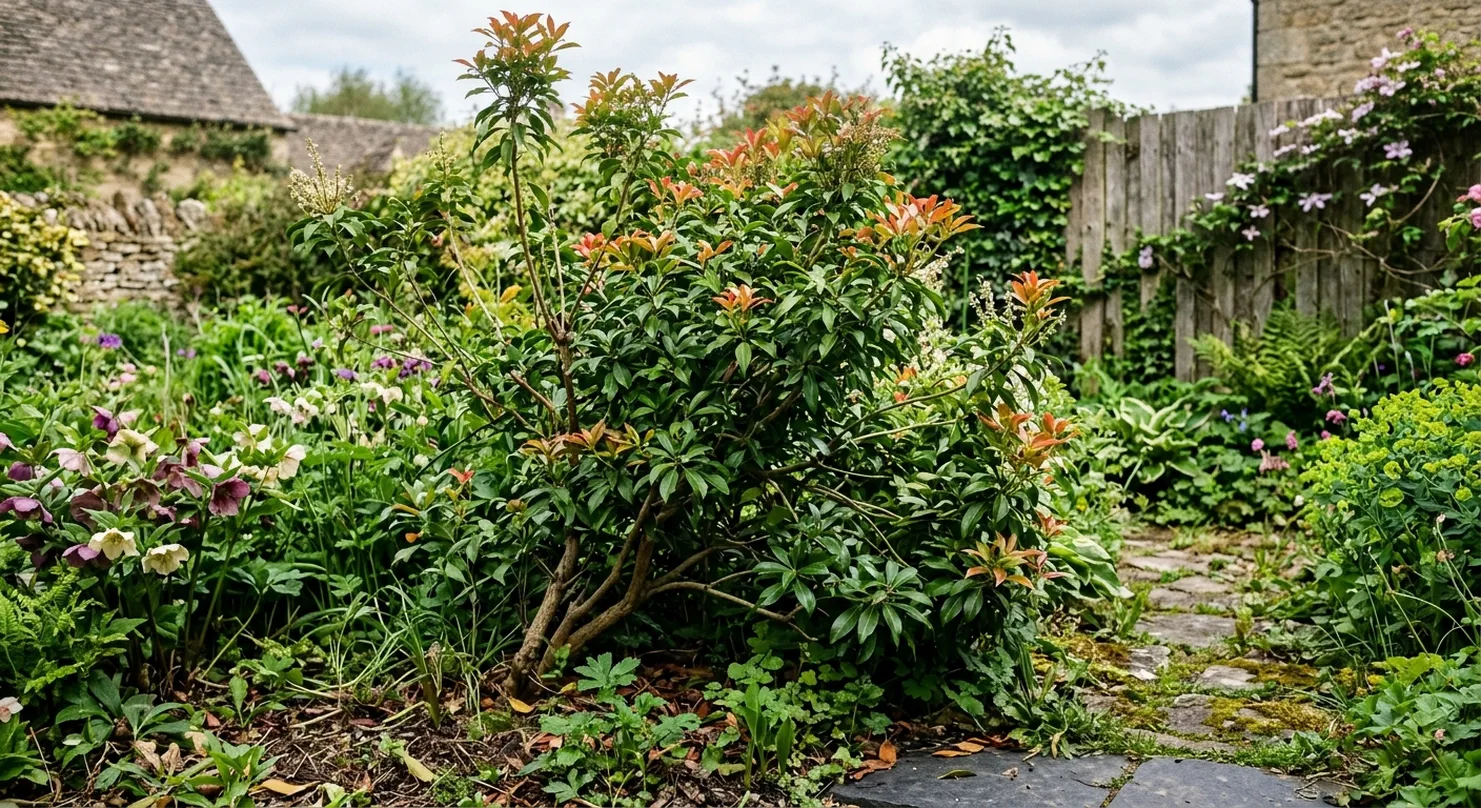
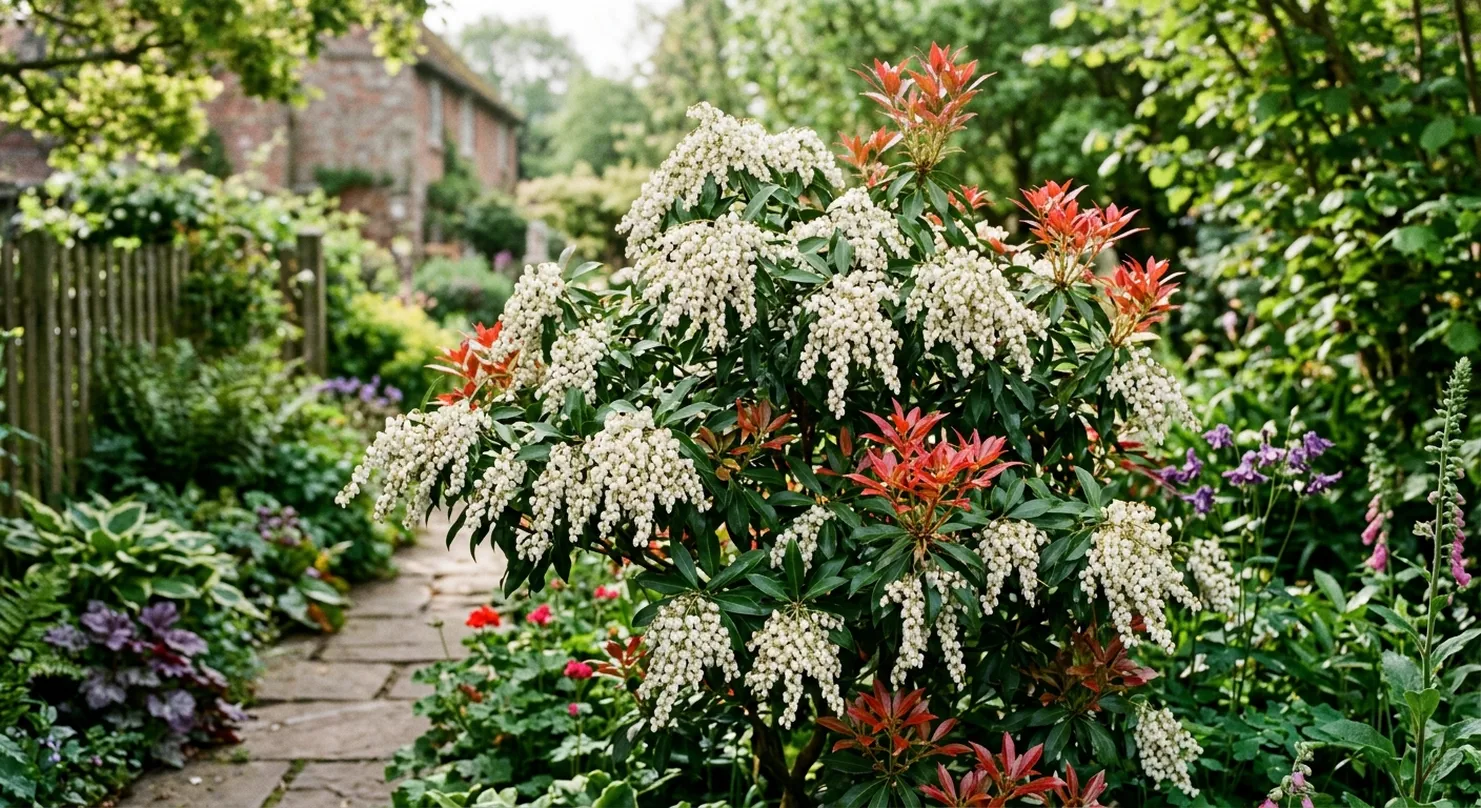
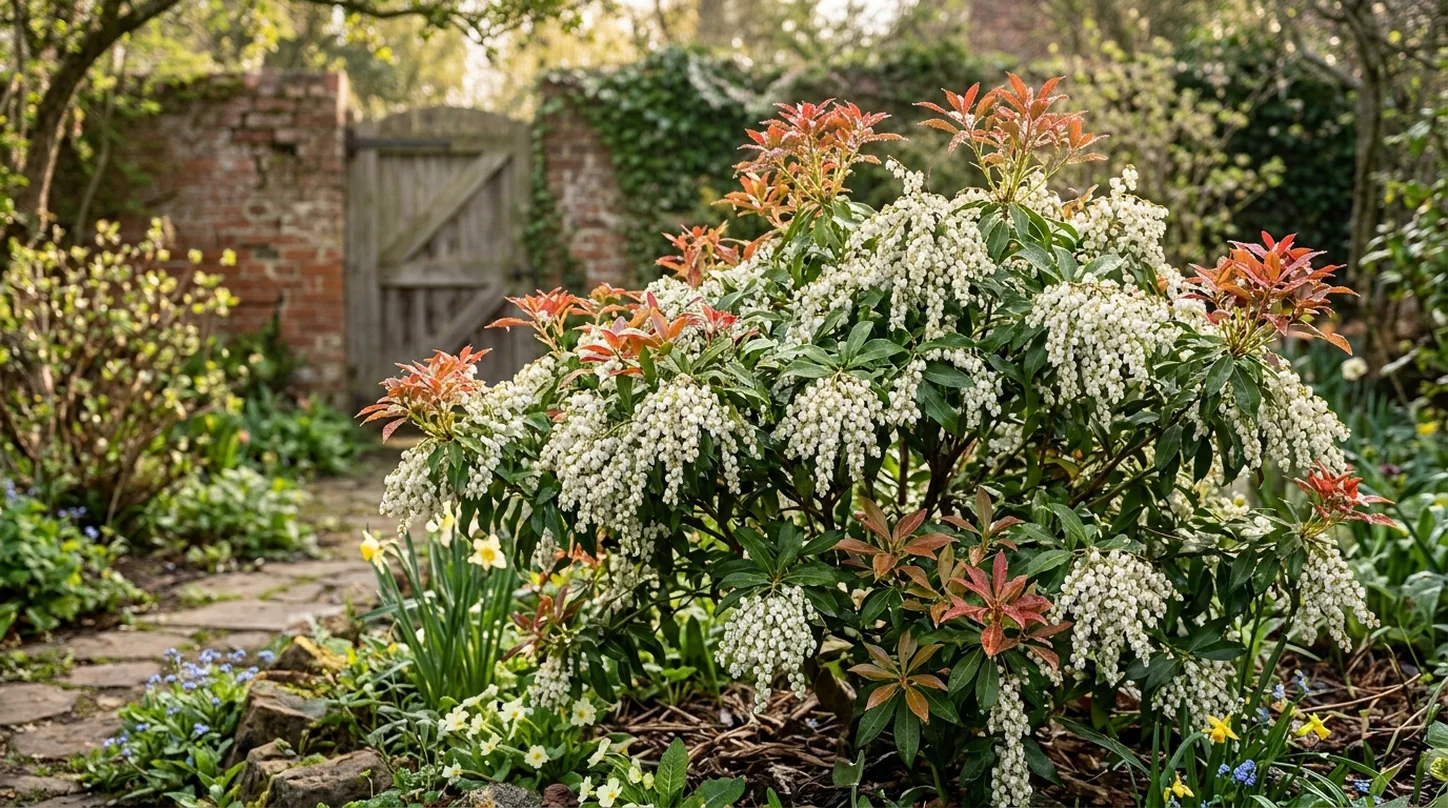
There's little in a British garden that announces spring quite like Pieris japonica in full bloom. Cascades of bell-shaped white flowers drape over glossy, leathery leaves, while the new growth often unfurls in shades of copper, pink, or deep red. It's a shrub that earns its common name, Lily of the Valley bush, through sheer floral generosity.

But that generosity has limits if the plant is left entirely to its own devices. Learning how to prune Pieris properly keeps the shrub healthy, compact, and covered in flowers year after year. Get the timing wrong, or skip pruning altogether, and you risk a leggy, sparse plant that sacrifices next year's blooms for the sake of unchecked growth.

Pieris japonica, also known as Japanese Pieris, is native to Japan, Taiwan, and Eastern China. Left unpruned, it can reach around 12 feet tall and 10 feet wide—a size that quickly overwhelms most UK garden borders. Thoughtful, well-timed pruning is what keeps this shrub looking its best rather than looming over everything nearby.

This guide walks you through exactly when to prune Pieris, which tools you'll need, step-by-step techniques for shaping and thinning, the common mistakes that catch gardeners out, and how to care for your plant once the cutting is done.
What Is Pieris and Why Does It Need Pruning?

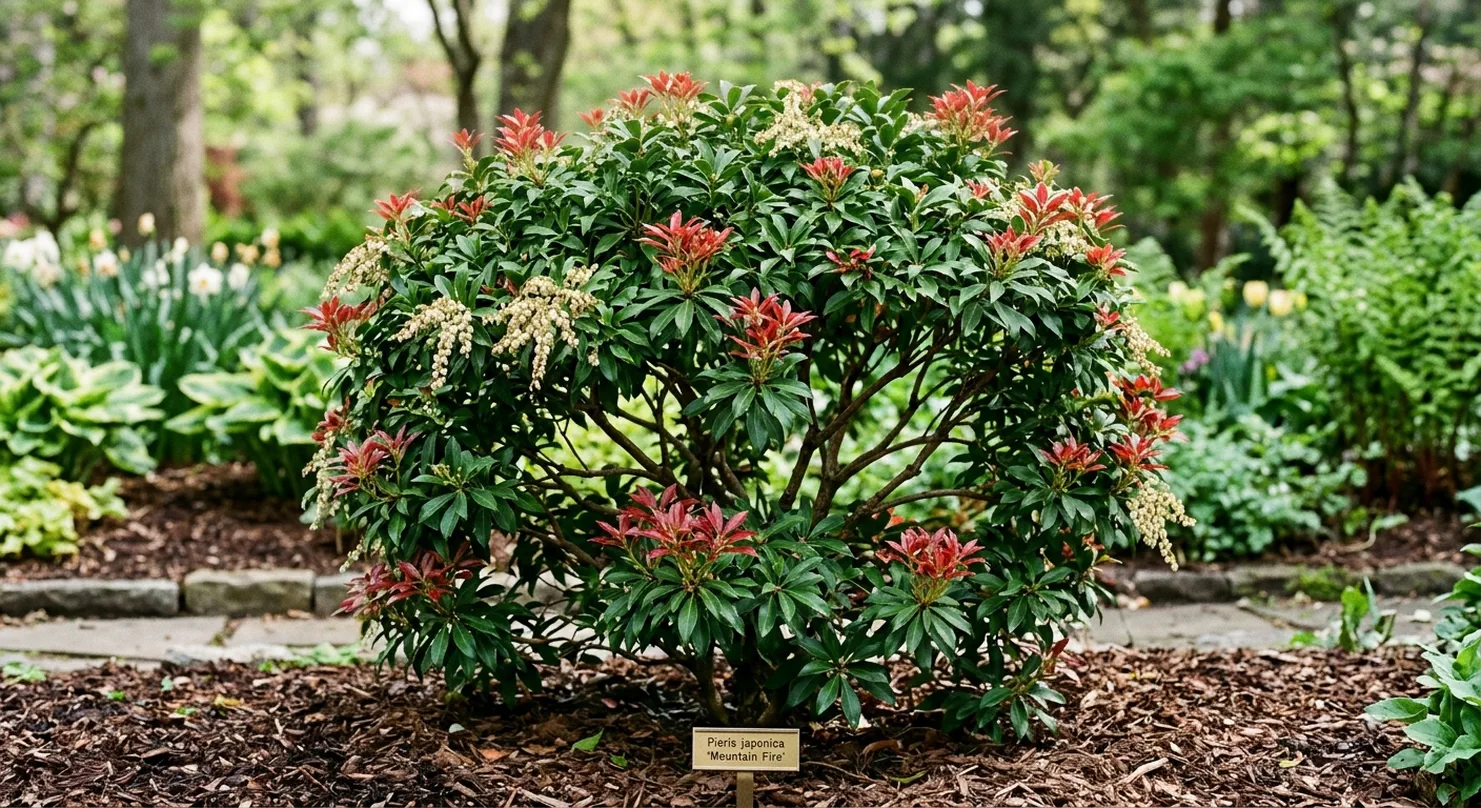
Pieris is a popular evergreen shrub grown for its glossy foliage, vividly coloured new growth, and delicate spring flowers. According to the RHS, Pieris japonica belongs to the family Ericaceae and produces small, white, urn-shaped flowers borne in panicles each spring, alongside leathery dark green leaves that are often brightly coloured when young (RHS, Pieris japonica 'Shojo' plant profile).

Without regular pruning, Pieris tends to become woody and overgrown over time, with flowering concentrated at the outer edges of an increasingly bare, leggy framework. Thinning and shaping keeps growth dense and encourages flowers throughout the shrub rather than just at the tips.

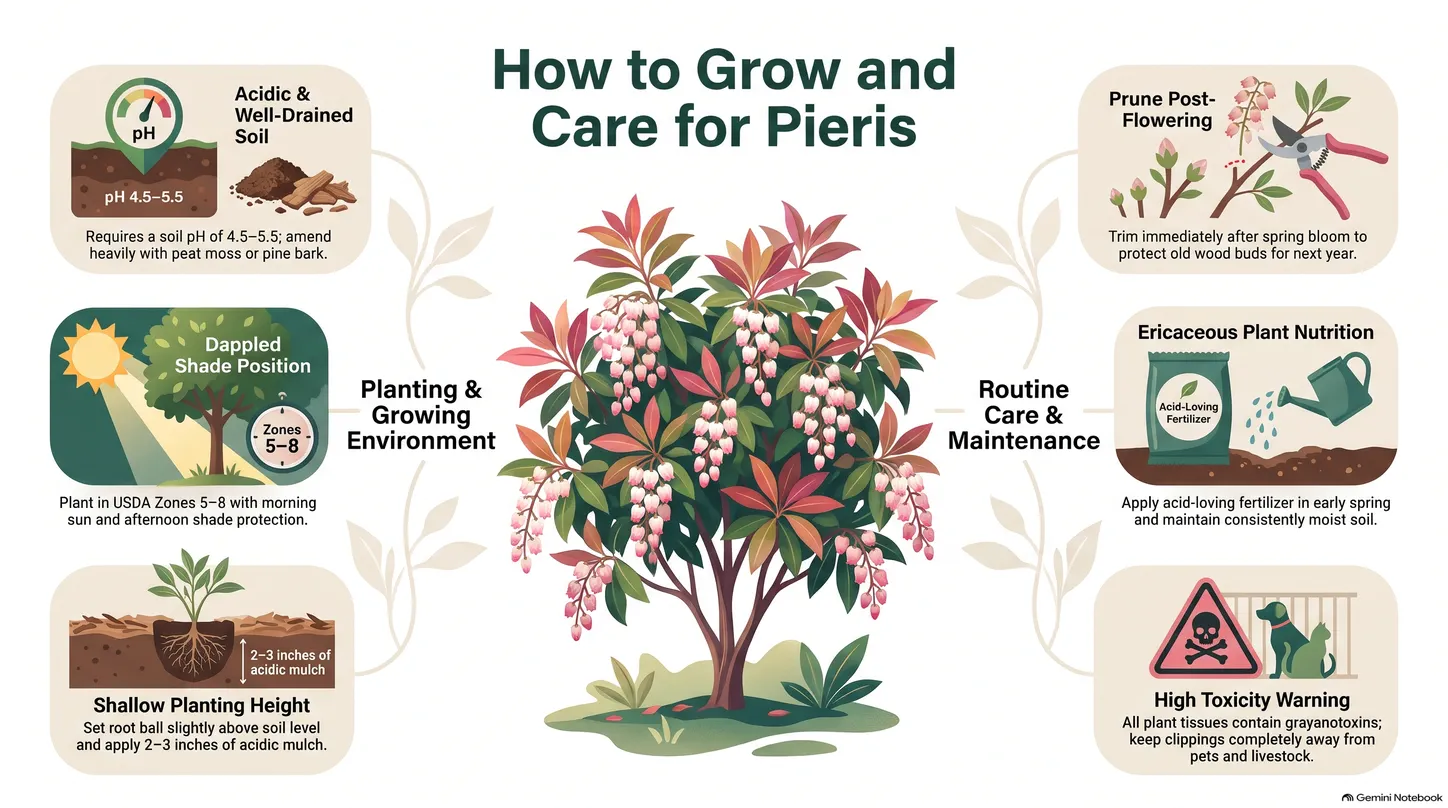
Pieris also has specific growing preferences that influence how well it responds to pruning. The shrub favours acidic, well-drained soil and can be susceptible to pests such as lace bugs. A plant growing in the wrong soil or under pest pressure will recover from pruning more slowly, so healthy growing conditions and sensible pruning go hand in hand.

Safety tip: Pieris foliage and sap can irritate the skin and are considered toxic if ingested by pets or people. Wear gloves when pruning, and check a reputable source such as the RHS for full guidance on handling and disposal if you have children, pets, or livestock with access to your garden.

How To Prune Pieris japonica


extraAdvert

When Should I Prune My Pieris?

The single most important rule for how to prune Pieris is timing: prune immediately after flowering fades, which typically falls in late winter to early spring depending on your climate and the specific cultivar you're growing.

This timing matters because Pieris sets next year's flower buds over summer and into autumn. If you prune in autumn or winter, you'll likely cut away the very buds that were going to produce next spring's flowers, leaving you with a leafy but flower-free shrub.

Hard pruning—cutting back significant amounts of old wood to rejuvenate an overgrown plant—is best reserved for right after flowering as well. Avoid tackling major renovation work in autumn or winter, as the plant simply won't have time to recover and set new buds before the following season's growth cycle begins.

Because flowering times can shift slightly by region and variety across the UK, it's worth observing your own plant's bloom cycle each year rather than working strictly from a calendar date. A Pieris in a sheltered southern garden may finish flowering weeks before one in a cooler, more exposed northern plot.

How To Prune Pieris japonica

What Tools Do I Need for Pruning Pieris?

How To Prune Pieris japonica

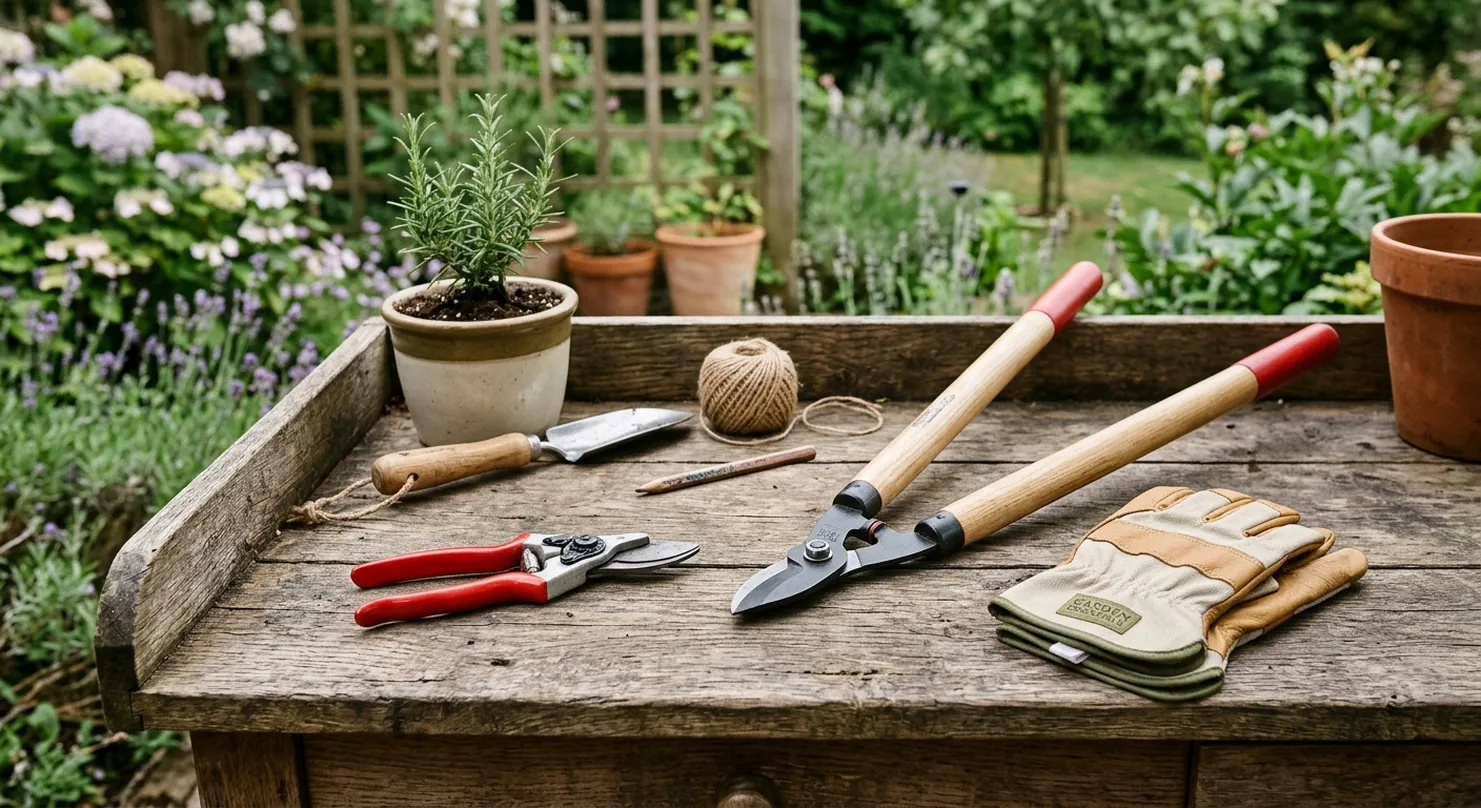
A tidy pruning job starts with the right kit. For most Pieris pruning tasks, you'll need:

  • Sharp bypass pruning shears for most stems and smaller branches
  • Loppers for thicker, older wood that shears can't handle cleanly
  • Gardening gloves to protect your hands, given the skin irritation risk mentioned above

Keep your blades clean and sharp throughout the job. Blunt or dirty tools crush stems rather than cutting them cleanly, which slows healing and increases the risk of disease spreading between plants. A quick wipe with disinfectant between pruning different shrubs is good practice, particularly if you've been cutting out diseased wood.

Suggested image: a flat-lay photo of bypass shears, loppers, and gloves laid out together, with alt text "tools needed for Lily of the Valley pruning".

How To Prune Pieris japonica

How Do You Prune Pieris Step by Step?

Once you've confirmed flowering has finished and you've got your tools ready, follow these four steps for a well-shaped, healthy Pieris.

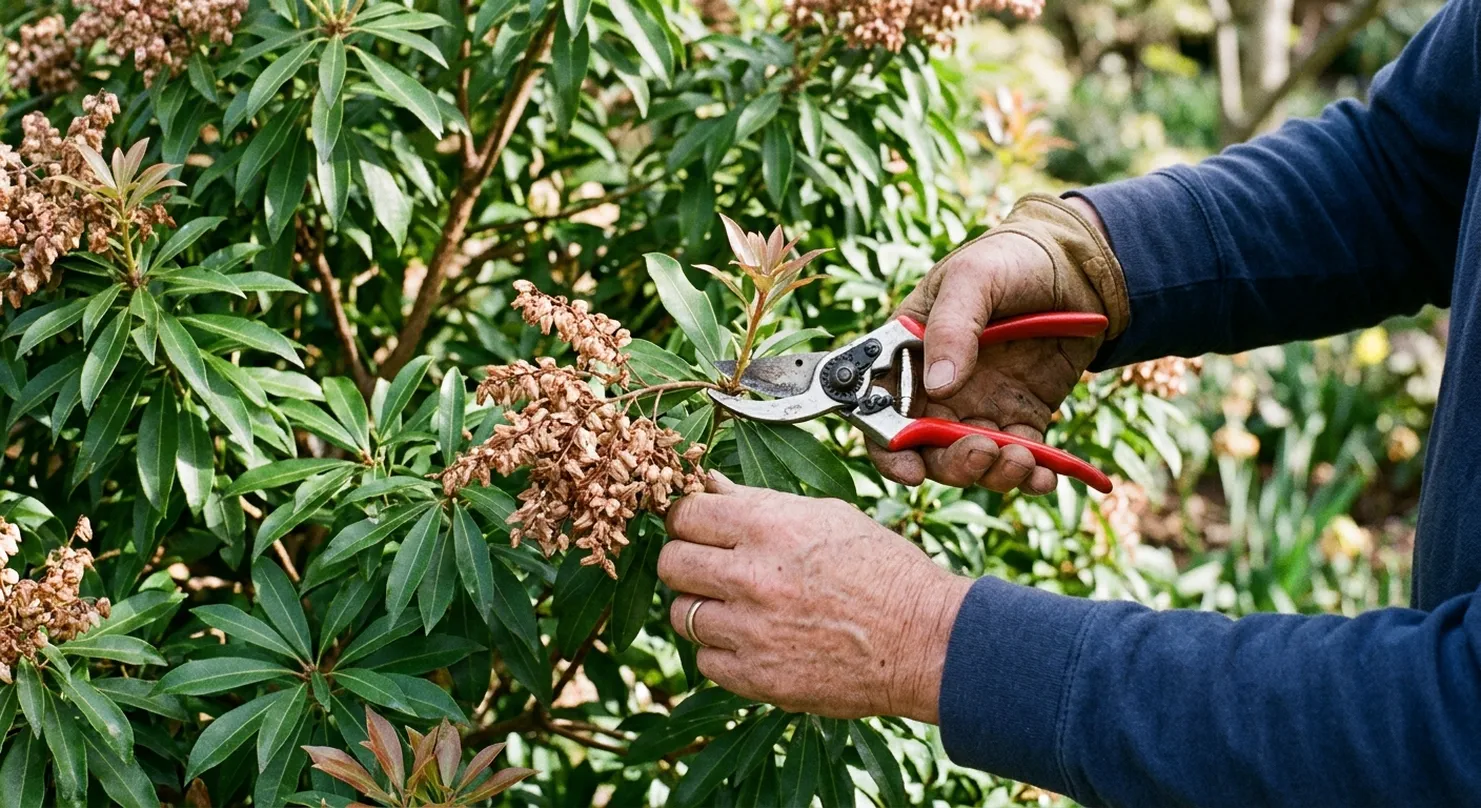
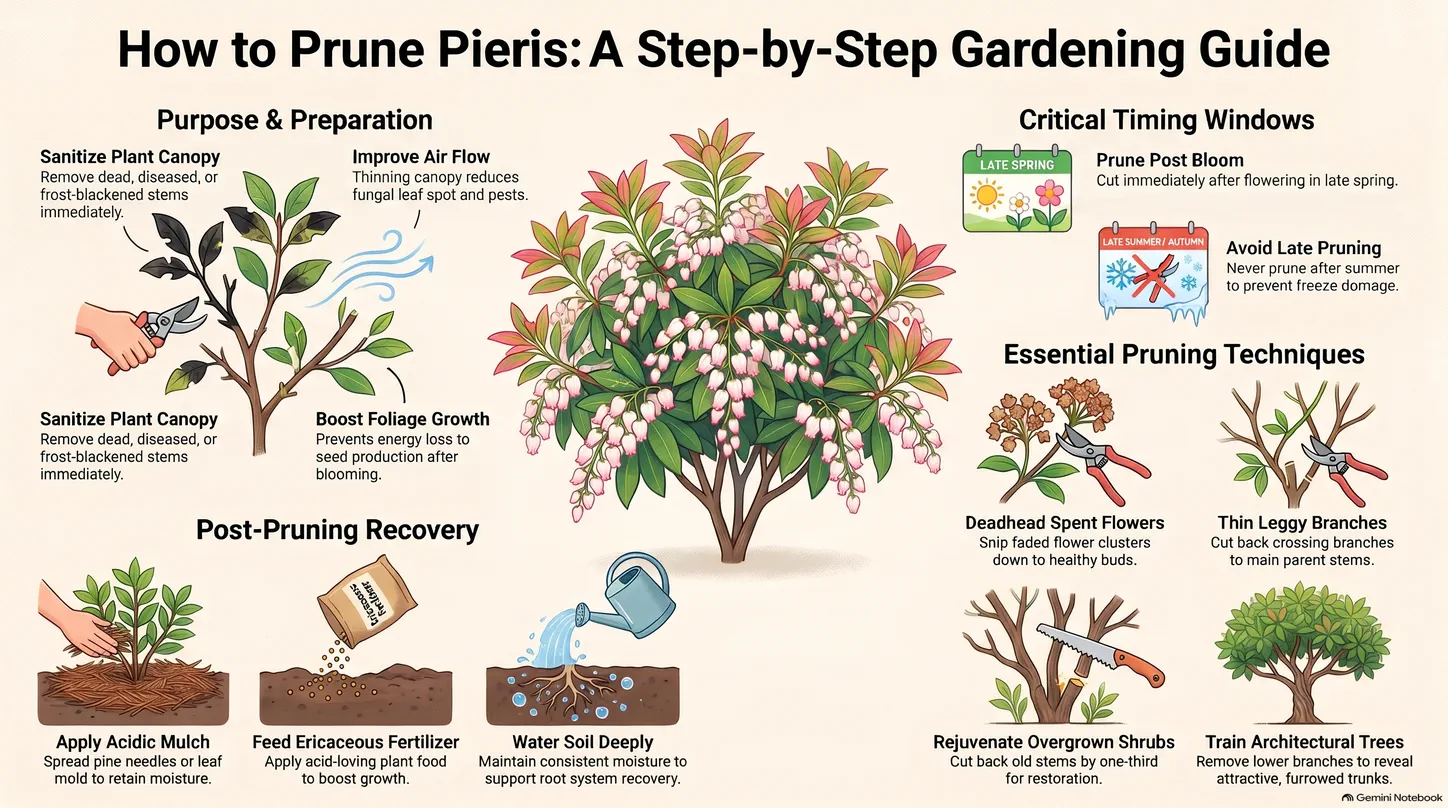
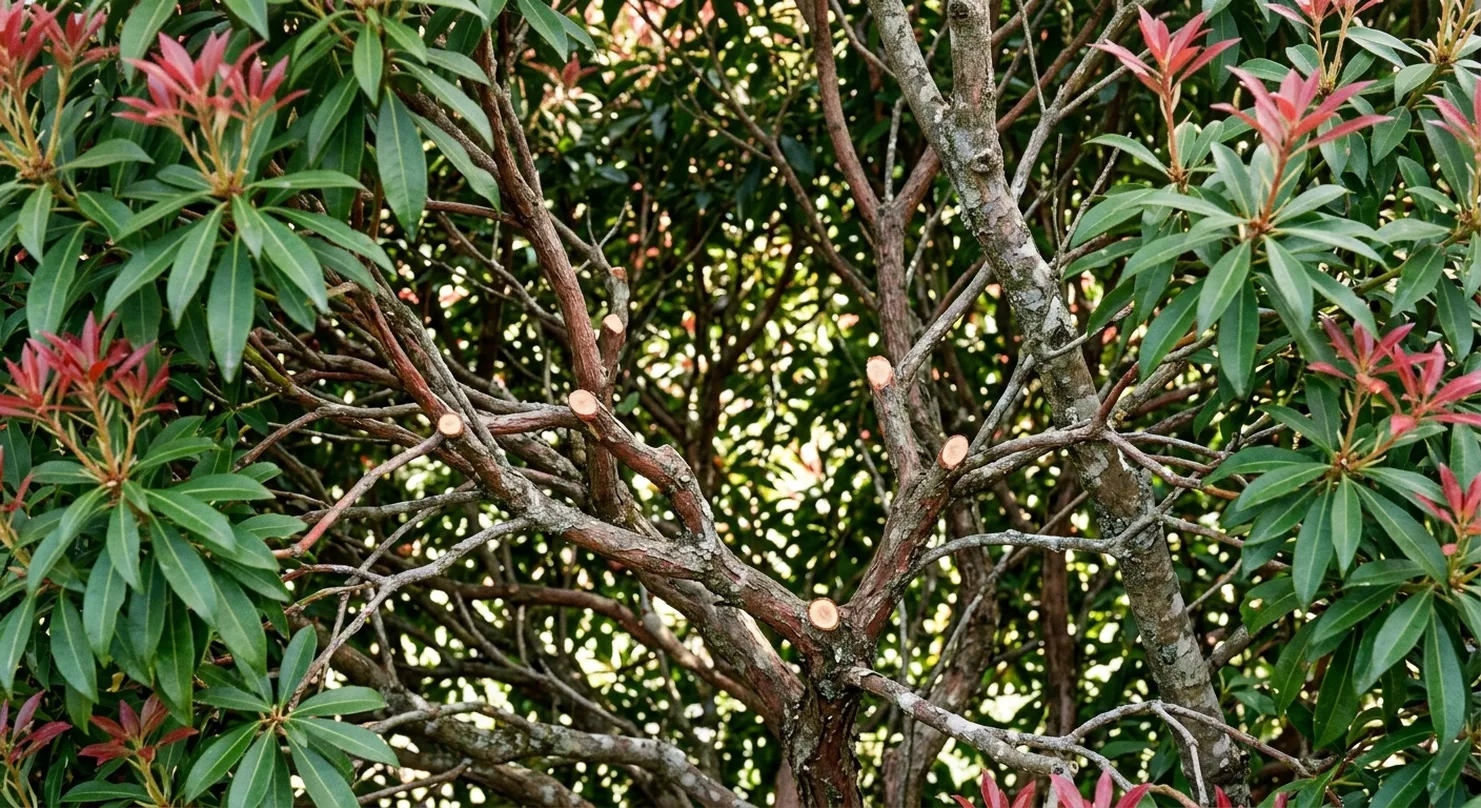
  1. Remove dead, damaged, or diseased wood first. Cut back to healthy growth or right to the base of the plant. Clearing this out first makes it much easier to see the shrub's true shape before you start more deliberate shaping cuts.
  2. Shape the plant. Trim back any wayward or overly long stems that disrupt the shrub's natural, rounded form. Aim for an even outline rather than a severe, formal shape—Pieris looks best with a slightly relaxed, natural silhouette.
  3. Thin out crowded branches from the centre of the shrub. This Lily of the Valley pruning step improves air circulation and lets more light reach the inner growth, which helps reduce the risk of fungal problems and encourages flowering throughout the plant rather than just on the outer branches.
  4. Deadhead spent flower clusters to tidy the plant's appearance and redirect its energy into producing new growth rather than seed.

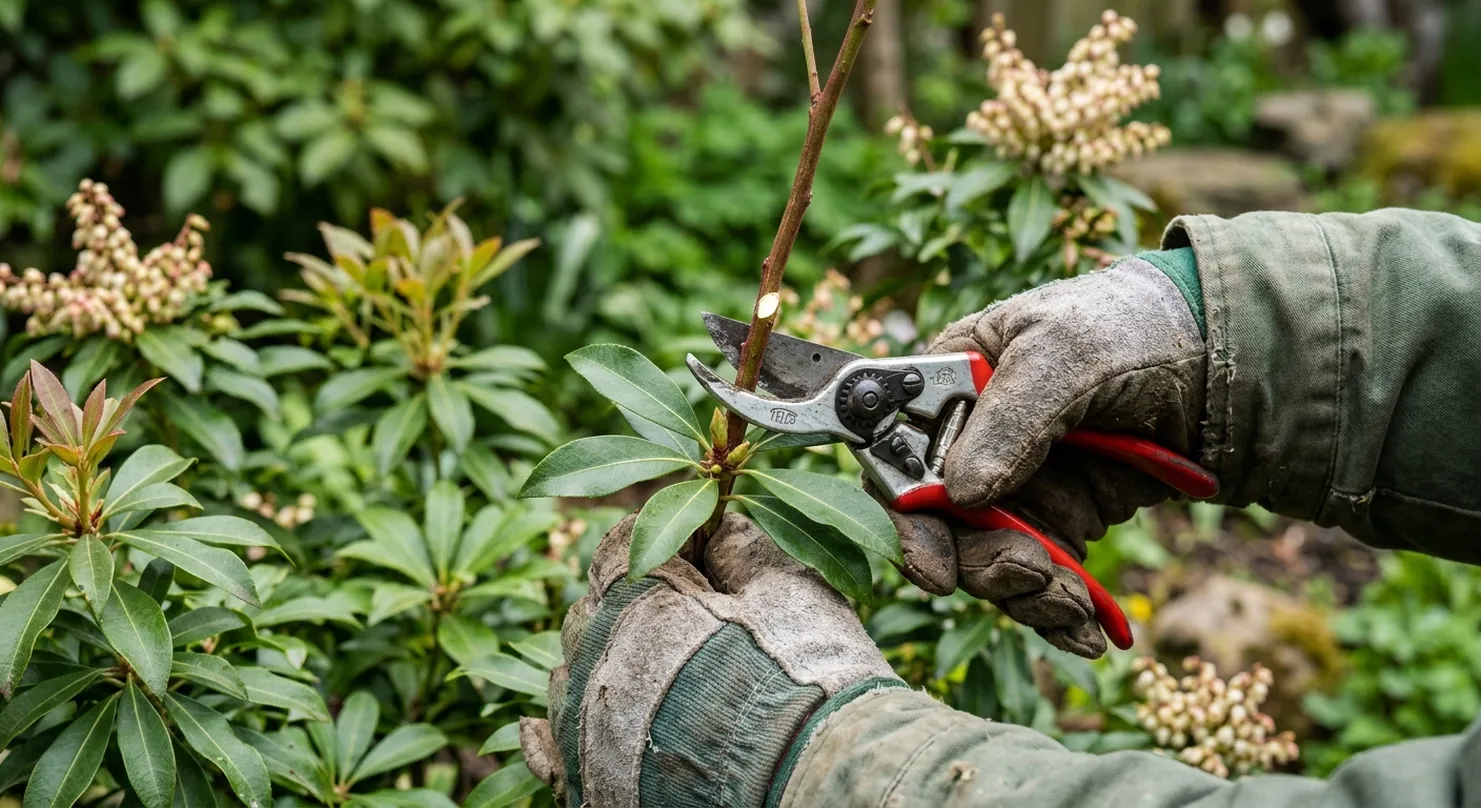
As you cut, make each pruning cut just above a leaf node or bud that faces the direction you want new growth to head. This small habit, repeated across the shrub, gradually trains Pieris into a more open, attractive shape over several seasons.

Suggested image: a before-and-after diagram showing a Pieris branch pre- and post-pruning, with alt text "step-by-step guide showing how to prune Pieris japonica".

How To Prune Pieris japonica

How Can I Encourage Better Flowering and Growth After Pruning?

Light, regular "tidy" pruning tends to encourage a bushier habit and more abundant blooms compared with infrequent, heavy pruning sessions. Rather than letting a Pieris grow unchecked for years and then cutting it back hard, aim for a gentle shaping and thinning routine each year straight after flowering.

For older or overgrown plants that do need more significant renovation, pinch back new growth through the growing season, stopping around September. This gives the new foliage time to harden off before winter arrives, which in turn improves both cold hardiness and the following year's flowering performance. Pinching too late into autumn leaves soft new growth vulnerable to frost damage.

How To Prune Pieris japonica

What Are the Most Common Pieris Pruning Mistakes?

Even experienced gardeners can trip up on a few recurring issues when pruning Pieris. Watch out for:

  • Pruning too late in the year, which accidentally removes next year's flower buds before they've had a chance to open.
  • Over-pruning or hard pruning every year, which stresses the plant and reduces its overall flower output rather than encouraging it.
  • Using blunt or dirty tools, increasing the risk of spreading disease between cuts and between plants.
  • Ignoring dead or diseased wood, allowing problems to spread further into otherwise healthy growth.

Keep this list handy as a quick-reference checklist each time you reach for your shears.

How To Prune Pieris japonica

How Do I Care for Pieris After Pruning?

Pruning is only part of the picture. Good aftercare helps your Pieris recover quickly and channel its energy into healthy new growth rather than stress response.

  • Water thoughtfully, especially during dry spells following pruning, to support recovery and new growth.
  • Feed with an ericaceous fertiliser, suited to acid-loving plants like Pieris, to encourage strong, healthy regrowth in soil that matches the shrub's natural preferences.
  • Monitor for pests, particularly lace bugs, and watch for any signs of stress in the weeks after pruning.
  • Mulch around the base of the plant to help retain soil moisture and regulate temperature, both of which support steady recovery.

Together, these steps form a simple acid-loving shrub care routine that complements your pruning work and keeps the plant thriving well beyond the growing season.

How To Prune Pieris japonica

Keep Your Pieris Thriving All Year Round

Getting the timing right is the heart of any good Pieris care guide: prune straight after flowering, use clean and sharp tools, and focus on shaping and thinning rather than reaching for hard cuts every year. Follow up with sensible watering, ericaceous feeding, and a close eye on pests, and your Pieris should reward you with increasingly full, floriferous growth each spring.

If it helps, keep this simple seasonal reminder on hand:

  • Spring: Prune immediately after flowering finishes.
  • Summer: Pinch back new growth to encourage a bushier habit.
  • September: Stop pinching, allowing new growth to harden off before winter.
  • Autumn/Winter: Avoid pruning altogether—this is when next year's flower buds are developing.

Bookmark this guide so you've got it ready each pruning season, and consider exploring further reading on acid-loving shrub care or dealing with lace bugs to keep the rest of your ericaceous border in equally good shape.

How To Prune Pieris japonica

Frequently Asked Questions

When should I prune my Pieris?
Prune Pieris japonica immediately after flowering finishes, typically in late winter to early spring depending on your local climate and cultivar. Pruning at any other time risks removing the following year's flower buds.

Can you hard prune Pieris?
Yes, but hard pruning should only be carried out right after flowering, never in autumn or winter. Reserve hard pruning for genuinely overgrown or neglected plants that need renovation, and avoid repeating it every year, as frequent hard pruning stresses the shrub and reduces flowering.

Why is my Pieris not flowering after pruning?
The most likely cause is pruning at the wrong time of year, particularly cutting the shrub back in autumn or winter after flower buds have already formed for the following spring. Over-pruning, poor soil conditions, or pest pressure from lace bugs can also reduce flowering.

What tools do I need to prune Pieris?
Sharp bypass pruning shears, loppers for thicker branches, and gardening gloves to protect your hands from skin irritation are the essentials. Keep blades clean to reduce the risk of spreading disease between cuts.

Is Pieris toxic?
Pieris foliage and sap can irritate skin and are considered toxic if ingested by pets or people. Always wear gloves when pruning and check a reputable source such as the RHS for full safety guidance if pets, children, or livestock have access to your garden.

How To Prune Pieris japonica


Most Read Pruning Articles are


Copyright © Gardenseeker.garden - 2000 - 2027

/ Advertising listing / Privacy Policy
Contact Us

| DMCA.com Protection Status