Country Versions |  | |
 |
 |
 | |
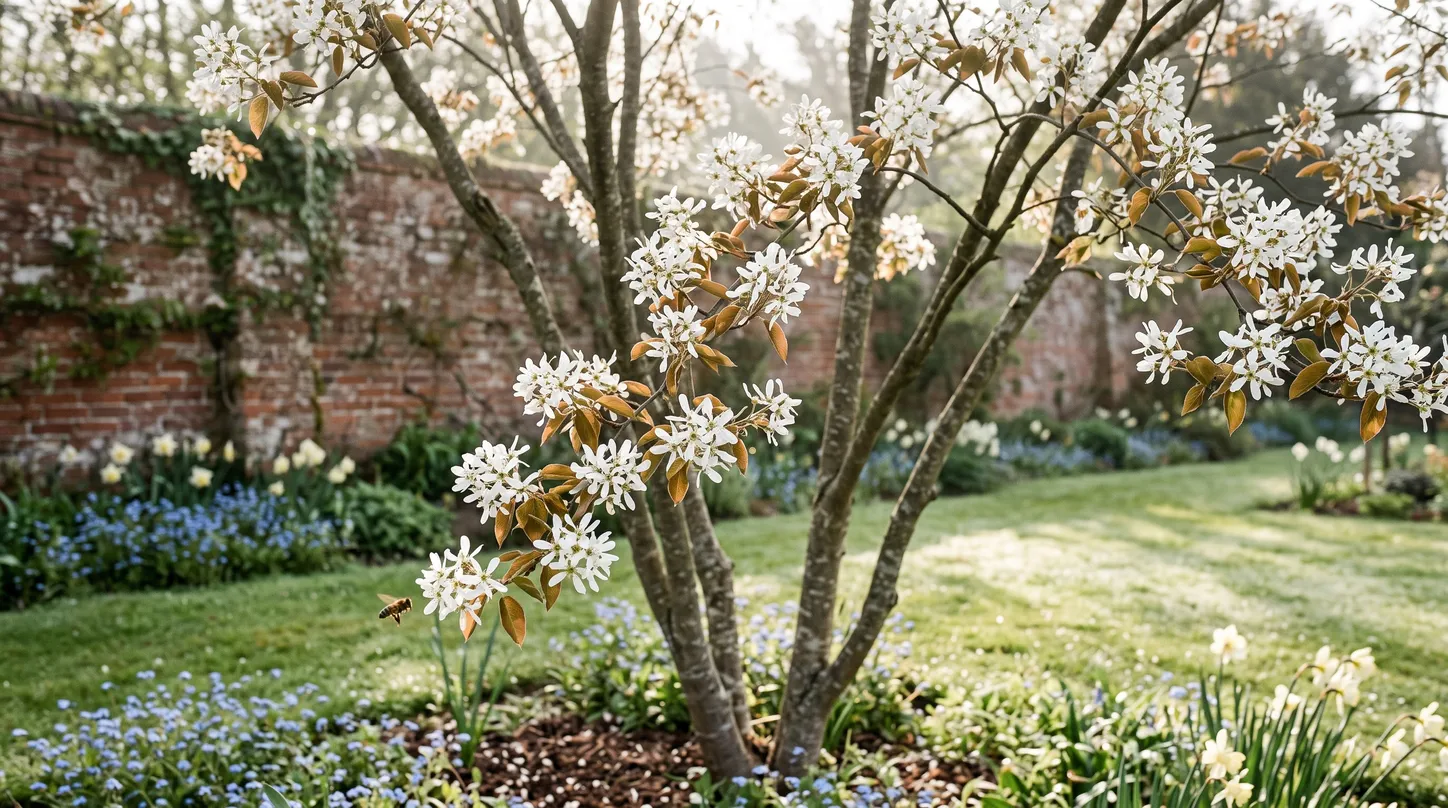
The best time to prune Amelanchier depends on your goal. For structural work and renewal pruning, prune during late winter dormancy, before bud break. For specimens grown mainly for blossom, prune just after flowering, between April and June, before next year's buds set. Always remove diseased wood immediately, regardless of season.
Few garden trees earn their keep quite like Amelanchier. In spring, its branches disappear under a froth of starry white blossom. By midsummer, that blossom gives way to sweet, currant-like berries that birds—and gardeners—can't resist. Then autumn arrives, and the foliage turns a blaze of orange, copper, and red before dropping for winter. It's no surprise that this multi-stemmed shrub, often called Juneberry or Serviceberry, has become a firm favourite in British gardens of every size.
Gardeners commonly grow three main types: Amelanchier canadensis, the North American Saskatoon (A. alnifolia), and the popular hybrid A. x grandiflora. All three share a naturally suckering, multi-stemmed habit that makes them wonderfully low-maintenance compared to many ornamental trees. Still, a little well-timed pruning goes a long way toward keeping the plant healthy, shapely, and generous with its flowers and fruit.
This Amelanchier Pruning Guide covers everything you need: when to prune, which tools to reach for, how to shape your plant, how to manage disease, and what to do once the cutting is done. Whether you're tending a young sapling or renewing an established specimen, you'll finish this guide ready to prune with confidence.
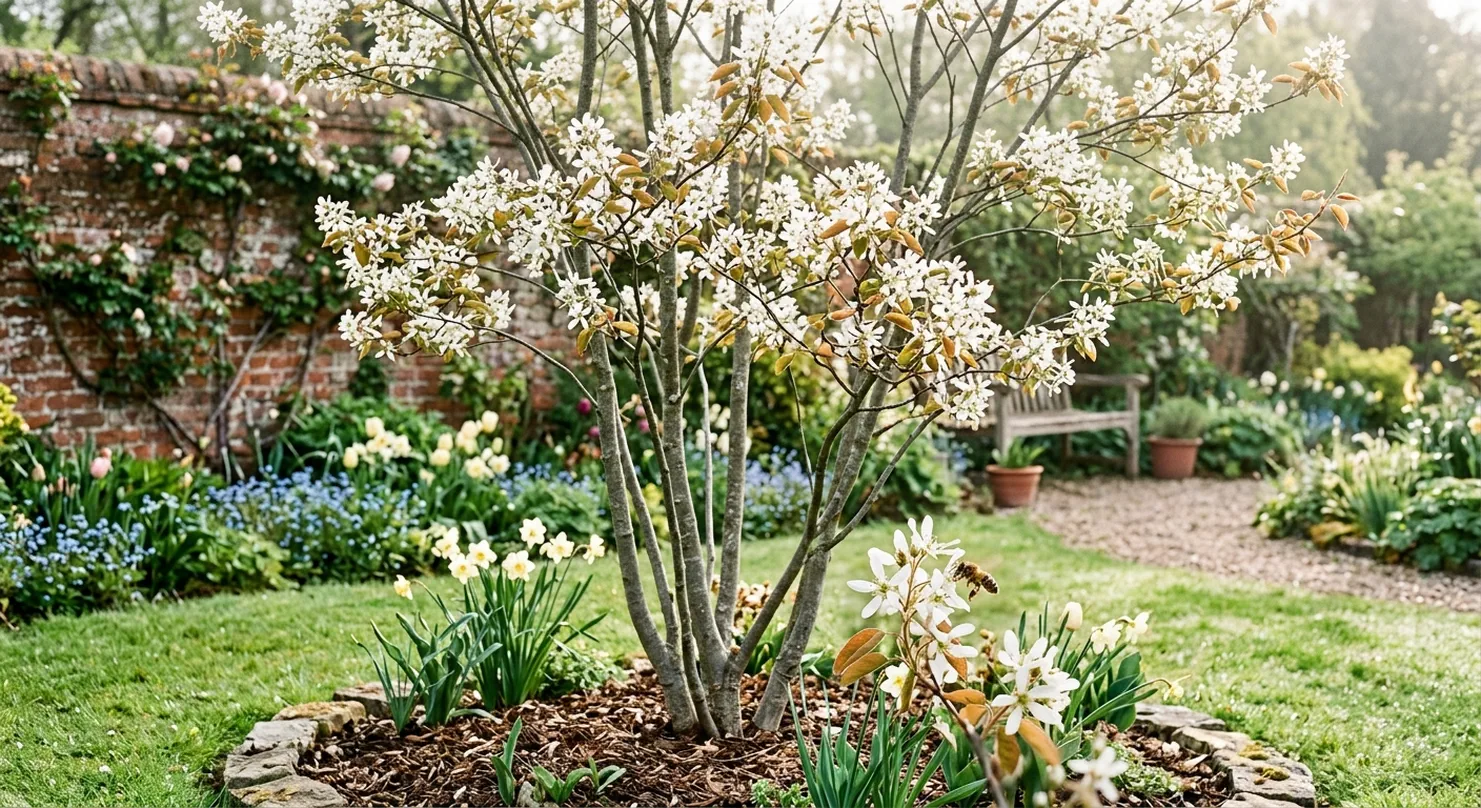
Amelanchier earns its spot in the garden through sheer versatility. The spring blossom feeds early pollinators when few other food sources are available. The summer berries, often compared to blueberries, attract blackbirds and thrushes—and taste good enough that many gardeners harvest a handful for themselves. Come autumn, the foliage rivals any specimen tree for colour.
Beyond its ornamental value, Amelanchier has a naturally tidy, multi-stemmed form. Unlike trees that need regular corrective pruning to maintain a strong structure, Amelanchier largely shapes itself. This means pruning is mostly about maintenance rather than drastic correction. Understanding this growth habit is the foundation of good service berry maintenance: you're working with the plant's natural tendencies, not against them.
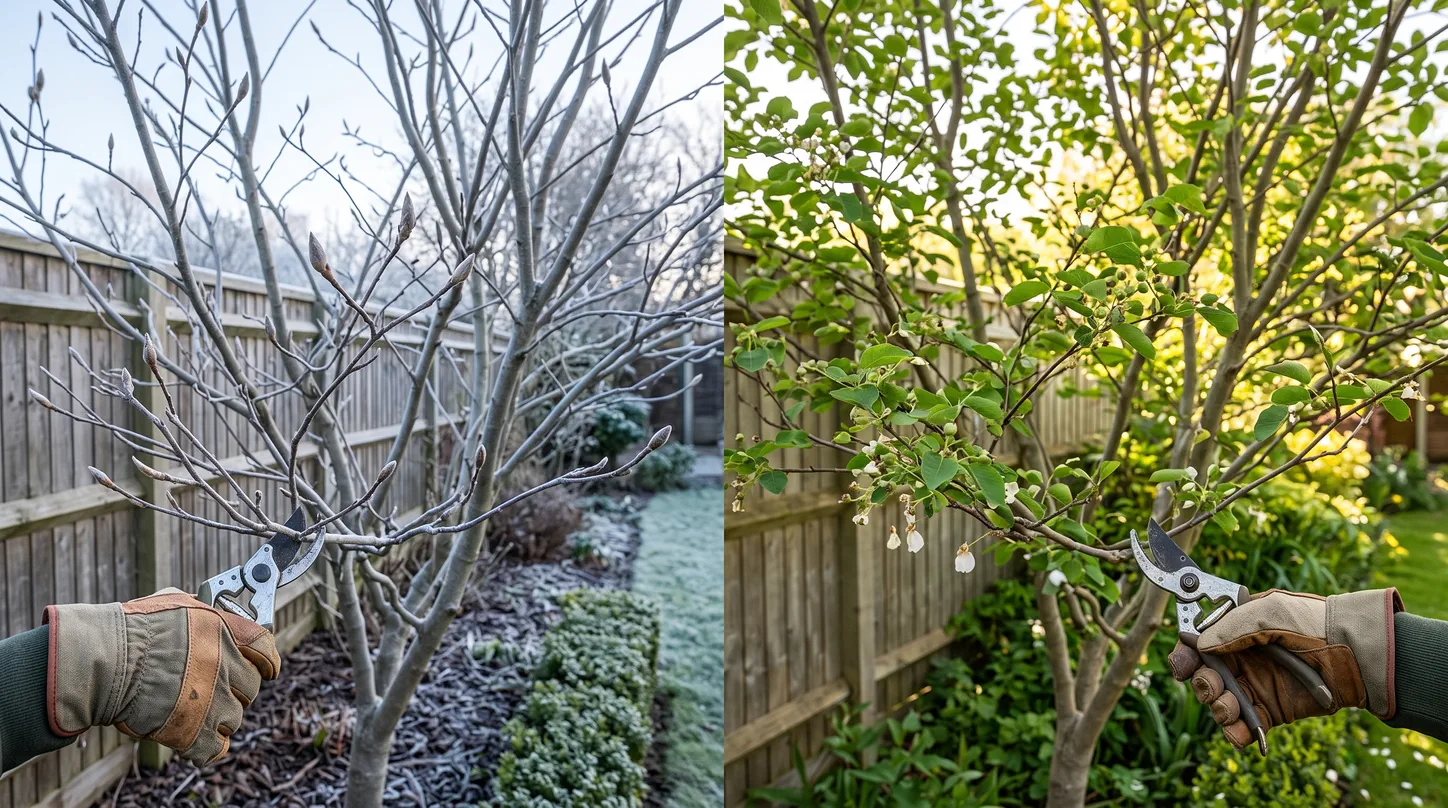
Timing is the single most important factor in successful Amelanchier pruning, and gardeners generally follow one of two approaches.
Dormant-season pruning takes place in late winter or early spring, before bud break. Michigan State University Extension recommends this window for structural work and renewal pruning, particularly on established plants, because the bare branch framework is easy to see and the plant can direct fresh energy into new growth as the season begins.
Post-flowering pruning happens between April and June, after the blossom has faded but before next year's flower buds set in July. Piedmont Master Gardeners favour this timing for ornamental specimens grown primarily for their spring display, since pruning too late risks removing the very buds you want to see next year.
A simple way to remember it: prune in winter for structure and vigour, and prune after flowering if blossom display is your priority.
Young plants need a lighter touch. In their first three years, only remove weak, damaged, or crossing branches. Heavier renewal pruning comes later, once the shrub has matured and established a strong root system.
There's one exception to every timing rule: diseased wood. If you spot signs of fire blight or another fast-moving infection, remove it immediately, regardless of the season. More on that below.
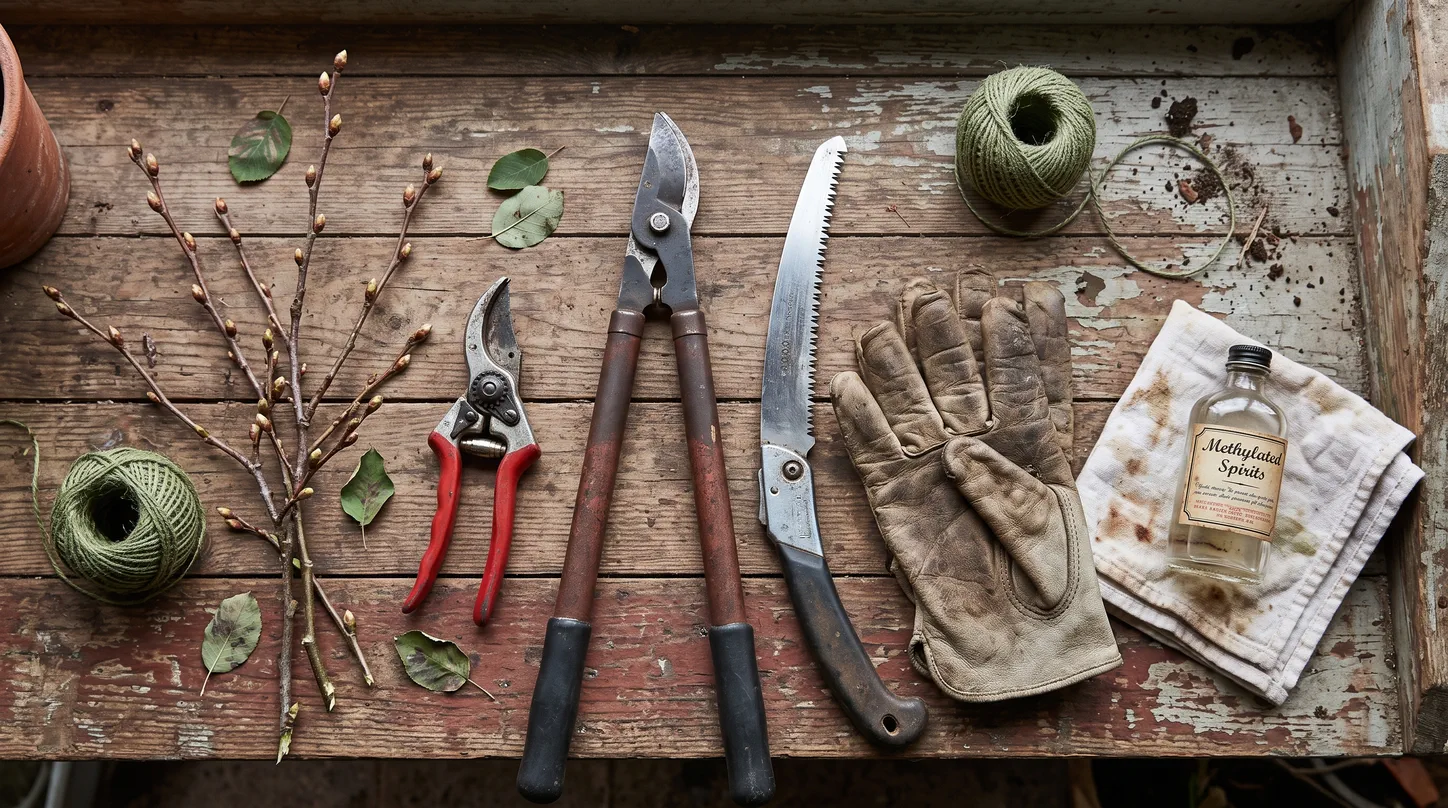
Good technique starts with the right kit. For most Amelanchier pruning tasks, you'll need:
Sterilise your tools between cuts, especially when moving between plants or removing diseased material. A quick wipe with diluted disinfectant or methylated spirits prevents you from accidentally spreading disease from one stem—or one plant—to another.
When making a cut, angle it just above an outward-facing bud. This encourages new growth to spread outward rather than crowding into the centre of the plant. When removing an entire stem, cut flush at the base rather than leaving a stub, which can trap moisture and invite rot.
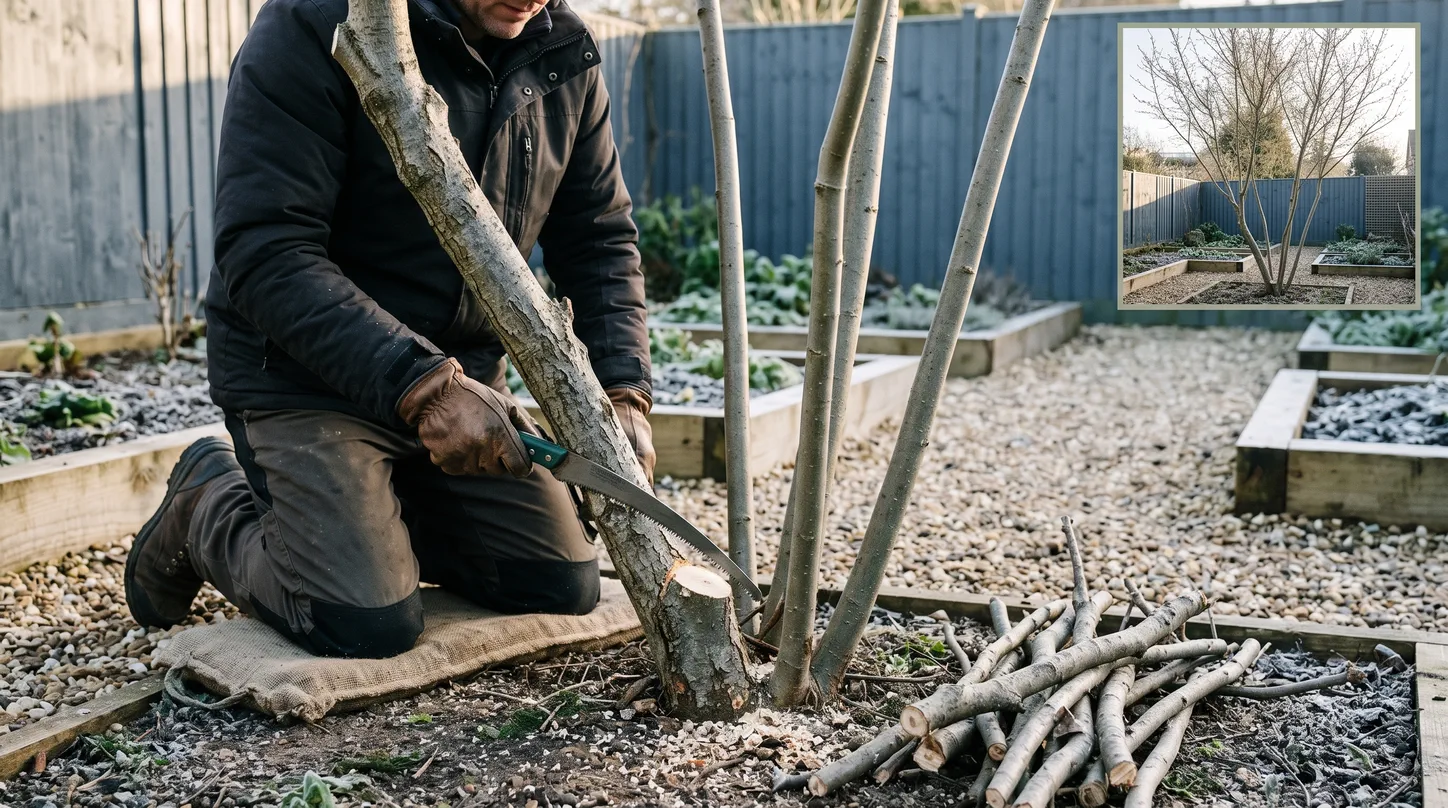
Amelanchier responds beautifully to renewal pruning: removing the oldest, thickest stems at ground level each year. This encourages fresh, vigorous growth from the base and keeps the overall framework open and airy, rather than congested and woody.
For gardeners working with smaller plots, size management matters just as much as shape. Thinning out congested stems in the centre of the plant improves airflow and lets more light reach the remaining branches—both of which support healthier growth and better flowering.
Your approach will also depend on the form you're growing. Multi-stemmed shrub forms benefit from ongoing renewal pruning at the base, while trained single-stem "tree" forms need a different strategy, focused on maintaining one dominant leader and removing competing growth lower down.
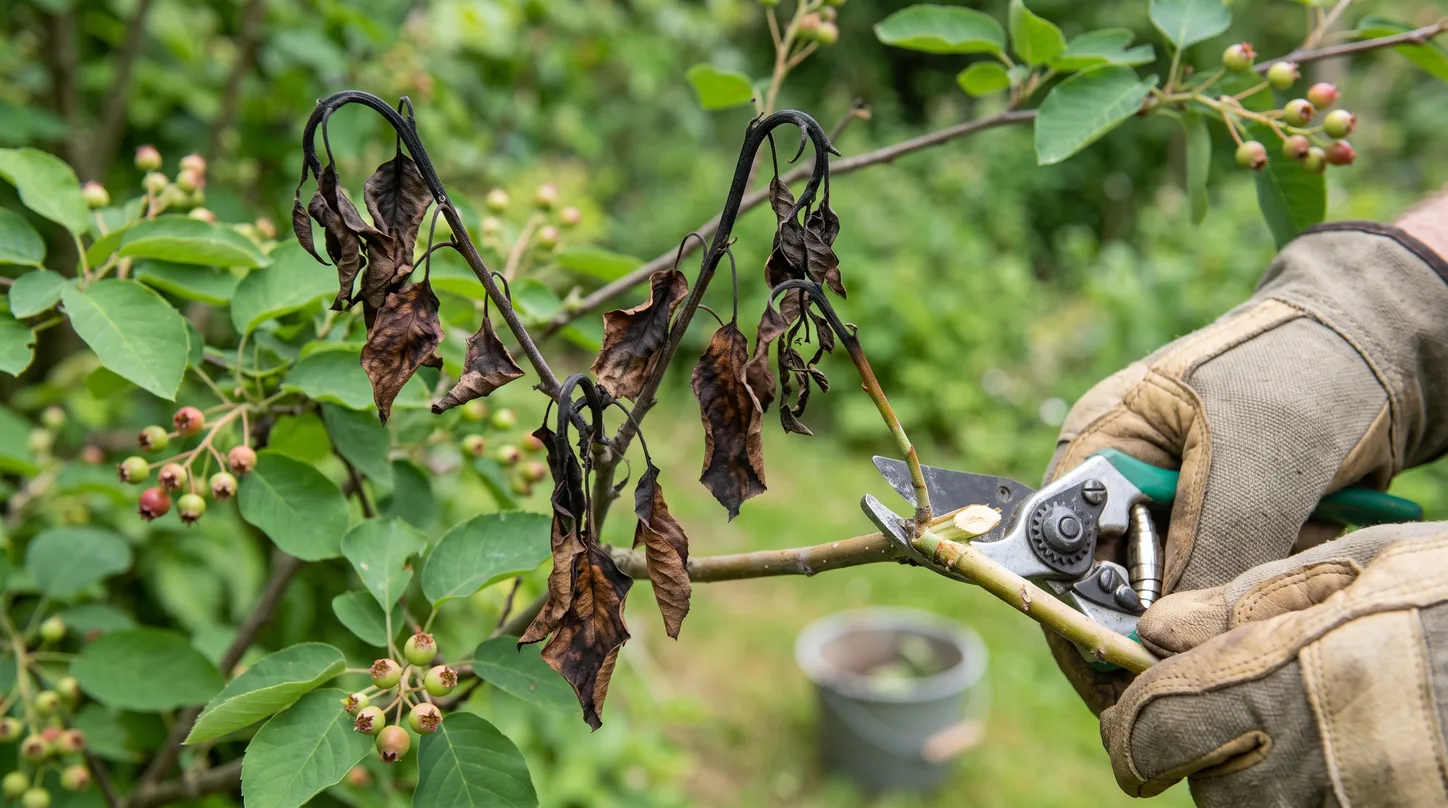
Dead, damaged, or diseased branches are usually easy to spot: look for brittle texture, discoloured bark, or blackened sections of stem. Several problems commonly affect Amelanchier in UK gardens, including fire blight, serviceberry rust (sometimes called cedar-apple rust), leaf spot, powdery mildew, and borers.
According to Illinois Extension, most Amelanchier pruning is best done during winter dormancy—but fast-spreading infections like fire blight are the exception. If you spot blackened, wilted shoot tips that look scorched, prompt pruning during the growing season can help halt the infection's progress before it spreads further into the plant.
When cutting out diseased wood, go well back into clean, healthy tissue to make sure you've removed the infection entirely. Dispose of the cuttings in general waste rather than the compost heap, since many fungal and bacterial pathogens can survive composting and reinfect the garden later.
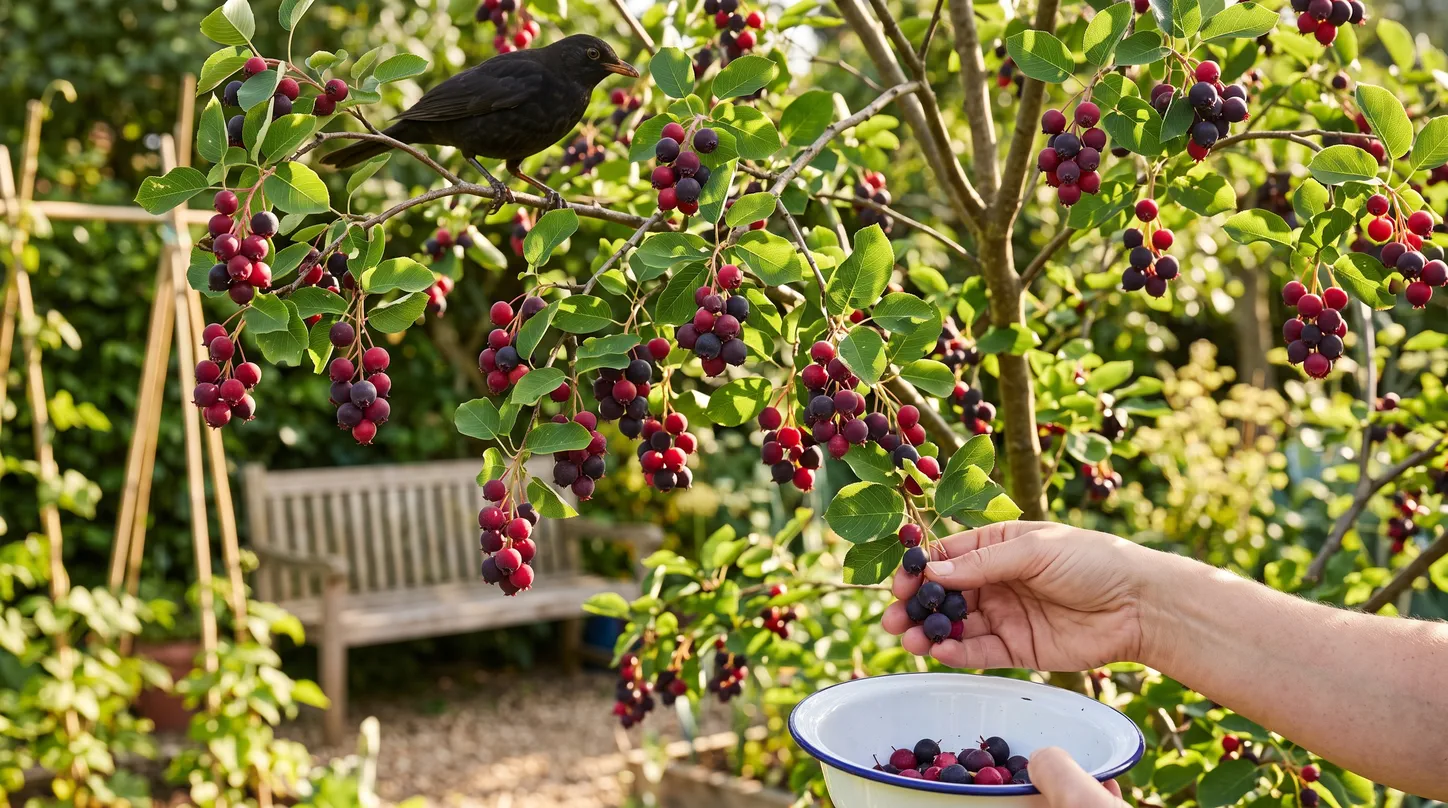
If you're growing Amelanchier partly for its berries, pruning plays a direct role in how much fruit you'll harvest. Renewal pruning and thinning let more light and air reach the remaining stems, which boosts both blossom production and fruit set the following season.
Timing matters here too. Prune at the wrong moment, and you risk accidentally removing the flower buds that would have produced next year's berries—another reason to follow the guidance in the timing section above.
For a reliable Juneberry harvest, aim to balance vigorous new growth with established fruiting wood. A plant with too much young, unproductive growth will take time to bear fruit, while one that's entirely old wood may start to decline in vigour and yield.
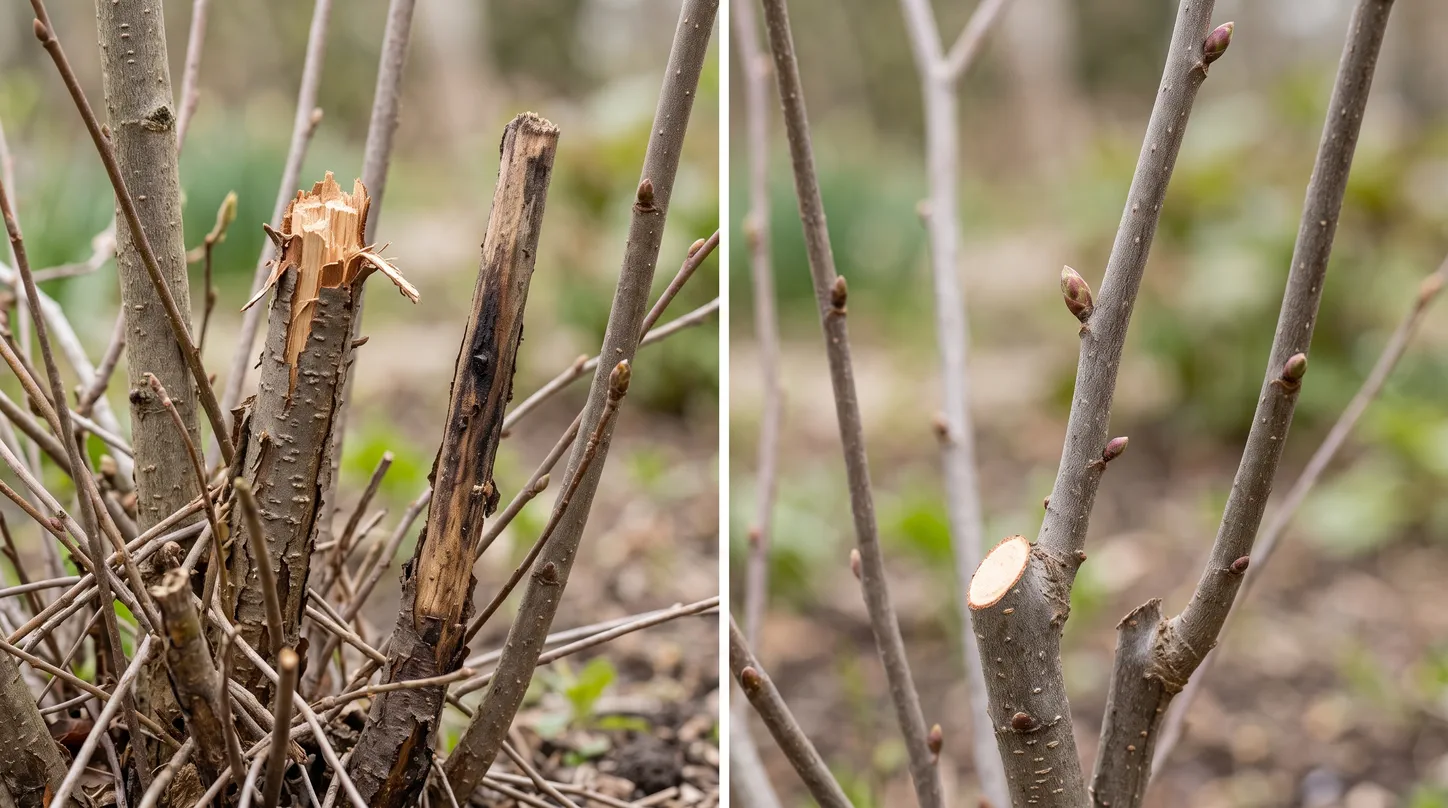
Even experienced gardeners can slip into a few common traps:
Avoiding these mistakes is often as important as the pruning technique itself.
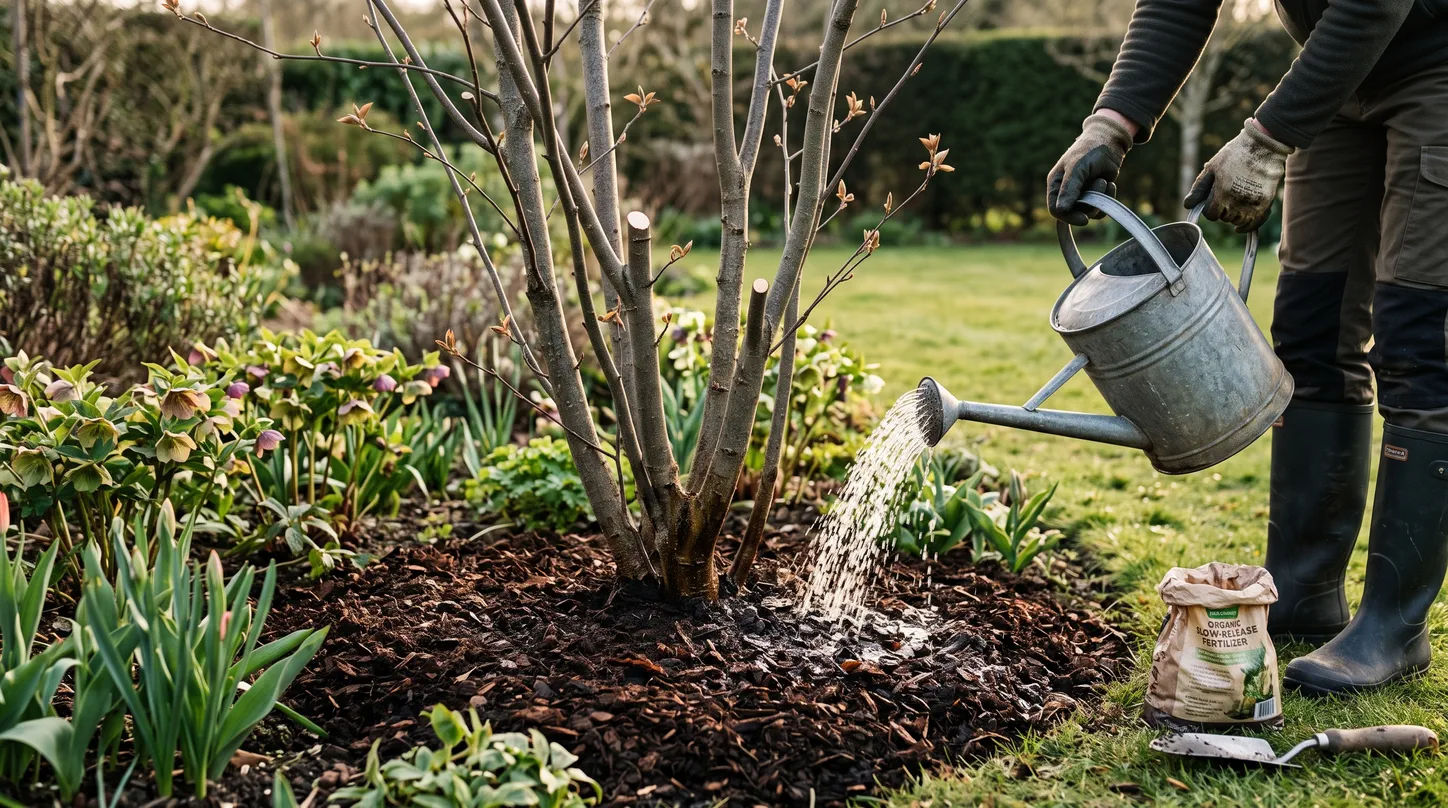
Once you've finished cutting, give the plant a thorough water, especially during dry spells. This supports recovery and helps the plant direct energy into new growth rather than battling drought stress.
A balanced, slow-release feed in spring encourages healthy regrowth after pruning. In the weeks that follow, keep an eye on cut sites and the surrounding foliage for any early signs of disease, so you can act quickly if a problem develops.
Finally, mulch around the base of the plant. This retains soil moisture, suppresses competing weeds, and gives your Amelanchier the best possible conditions to recover and thrive.
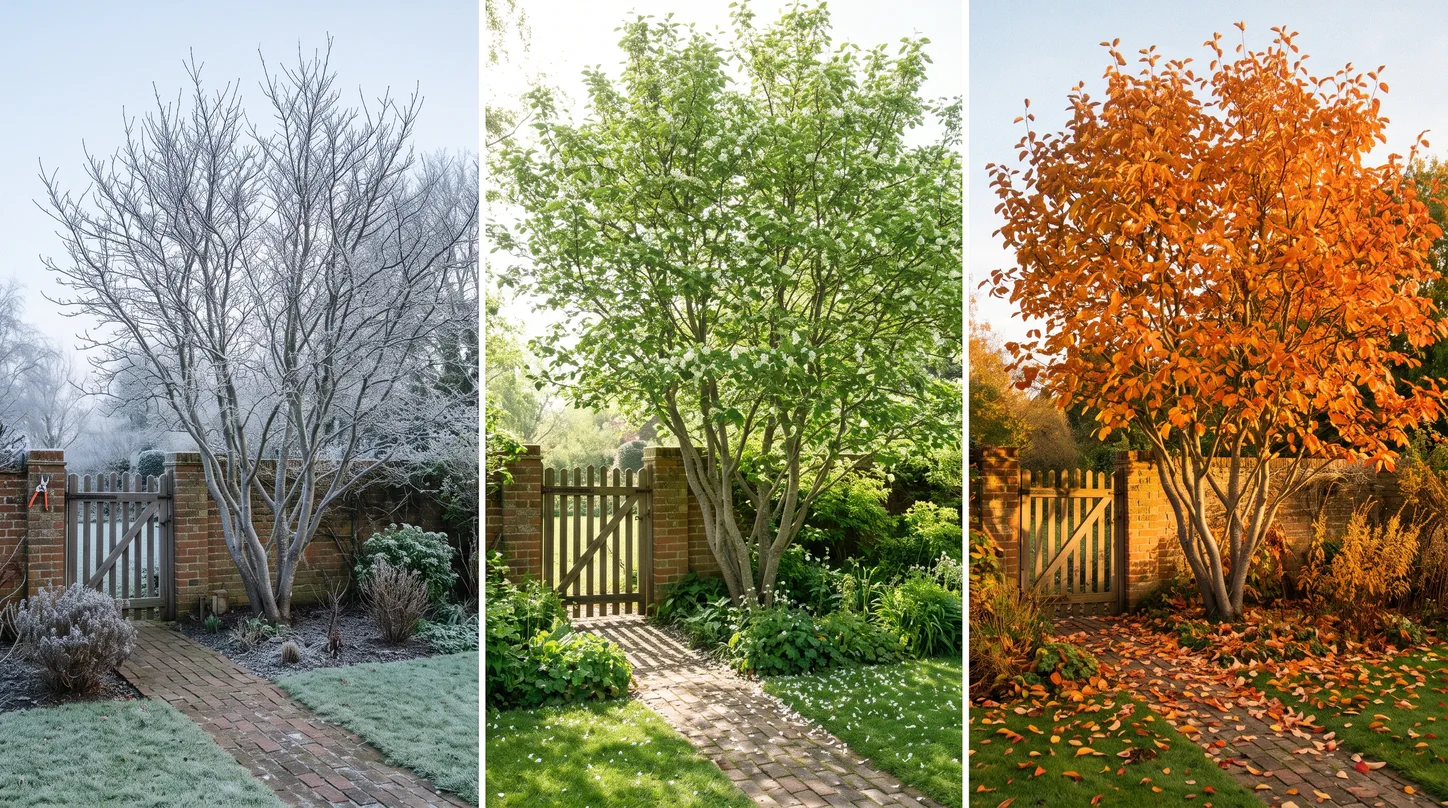
Regular, well-timed pruning rewards you with a stronger shape, better flowering, improved fruiting, and fewer disease problems down the line. Keep this simple checklist handy throughout the year:
Bookmark this Amelanchier Pruning Guide for yearly reference, and consider sharing your own Juneberry care tips in the comments below. If you're just starting out with this rewarding plant, you might also find it useful to explore a companion guide on growing Amelanchier from scratch.
When is the best time to prune an Amelanchier or service berry?
It depends on your priority. Prune during late winter dormancy for structural and renewal work, following guidance from Michigan State University Extension. Prune just after flowering, between April and June, if you're prioritising next year's blossom display, as recommended by Piedmont Master Gardeners.
How do I prune a service berry for better fruit?
Focus on renewal pruning and thinning congested stems to let more light and air reach the plant. This encourages stronger blossom and, in turn, better fruit set. Avoid pruning at a time that removes the flower buds responsible for next year's berries.
Can I prune Amelanchier in summer?
Generally, it's best to avoid heavy summer pruning. The exception is fire blight: if you spot blackened, scorched-looking shoot tips, prune the infected wood promptly during the growing season to stop the disease spreading, rather than waiting for winter dormancy.
Do Amelanchier trees need regular pruning?
Mature plants benefit from annual renewal pruning to maintain an open, vigorous framework. Young plants, on the other hand, need very little intervention in their first three years—just the removal of weak, damaged, or crossing branches.
