Country Versions | Great Britain Flag | USA Flag | Canada Flag
GardenSeeker.Garden Pruning Businesses Search Gardening Gifts ☰

How to Prune Abelia: A Complete Care Guide

Abelia Shrubs

Pruning Amelanchier

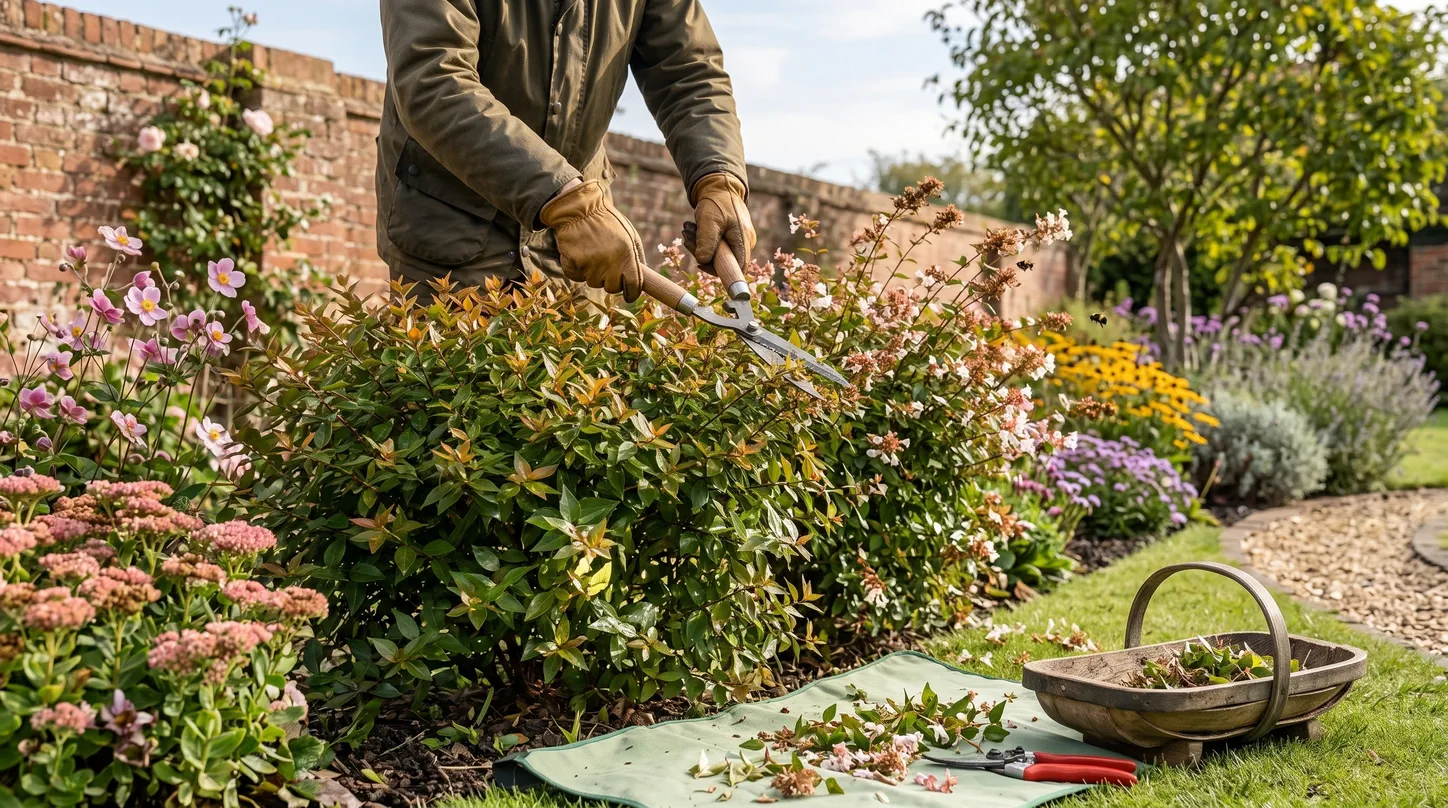
GardenSeeker recommends pruning Abelia annually in late February or early March, reducing the plant by 25–30% to encourage strong flowering. Wait at least three years after planting before the first prune, trim spent flower stems after each bloom, and hard prune only every 3–4 years down to around 9 inches to rejuvenate overgrown shrubs.

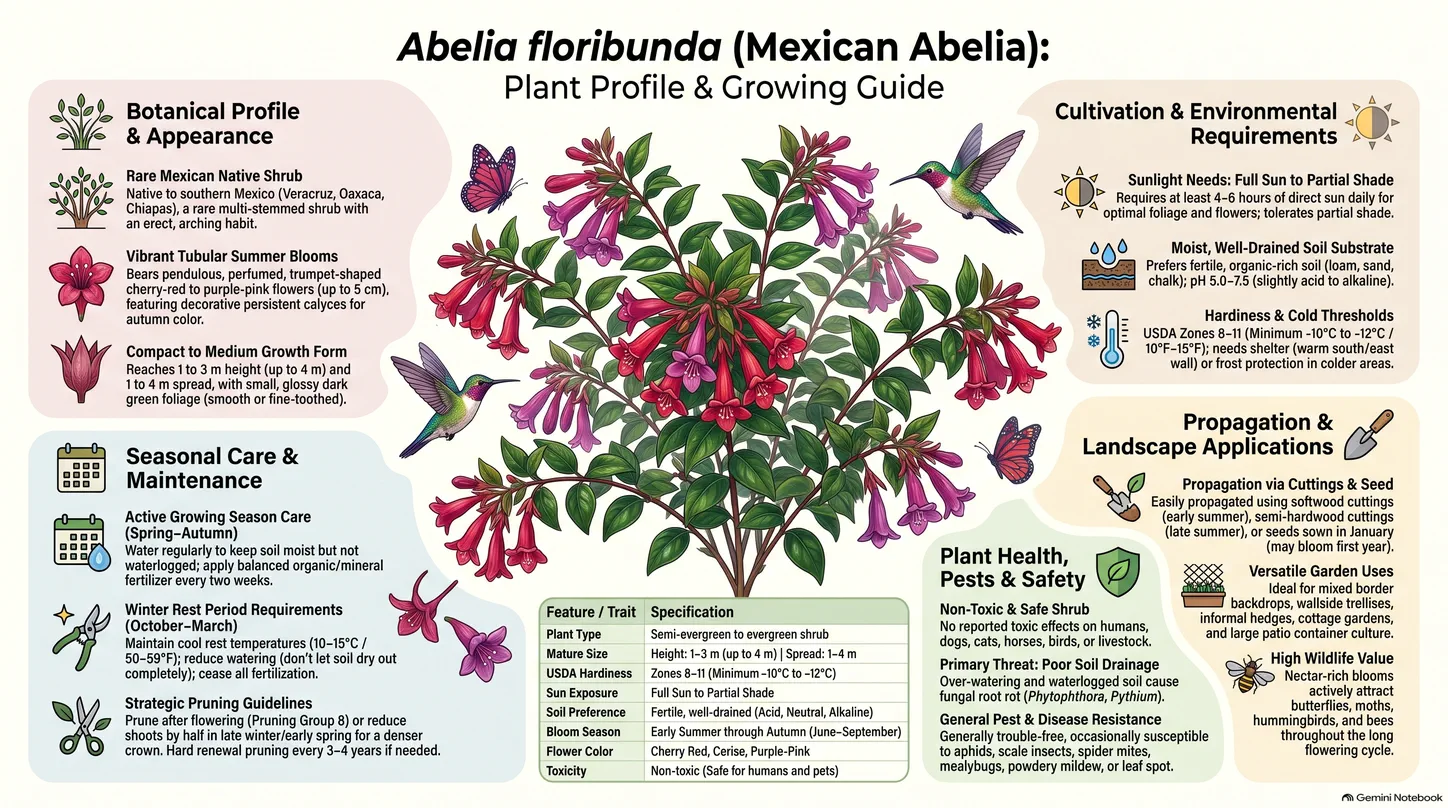
Few evergreen shrubs reward a gardener quite like Abelia. Its glossy, slightly bronzed foliage holds colour through autumn and winter, while a long summer flowering season brings clouds of delicate, trumpet-shaped blooms that bees and butterflies can't resist. But that lush, floriferous display doesn't happen by accident—it depends on knowing how to prune Abelia correctly.

Here's the catch: many gardeners get it wrong. Pruning too early, cutting at the wrong time of year, or hacking back too hard can weaken the shrub, delay flowering, or in severe cases, kill it outright. Abelia is forgiving in many ways, but pruning isn't an area where you want to guess.

This guide walks through everything you need to know: when to start pruning, the different techniques for annual, routine, and hard pruning, how to care for your Abelia once the cuts are made, and the common mistakes that trip up even experienced gardeners. These principles apply across popular UK cultivars, including Abelia x grandiflora Kaleidoscope, Confetti, and Edward Goucher.
When Should I Start Pruning My Abelia?

Pruning Amelanchier

The golden rule of Abelia plant care is patience. Wait at least three years after planting before you make your first significant cuts. During this establishment period, the shrub is focused on building a strong root system and a solid branch framework—the scaffolding that will support years of healthy growth and flowering.

Prune too early, and you risk weakening a plant that hasn't yet developed the resources to recover. Young Abelias redirect energy into regrowth rather than root establishment, which can stunt development and leave the shrub vulnerable to pests, disease, or poor weather. Once your Abelia has had three years to settle in, it's ready for a structured annual pruning regime.


What Is the Best Time to Prune Abelia Each Year?

Pruning Amelanchier

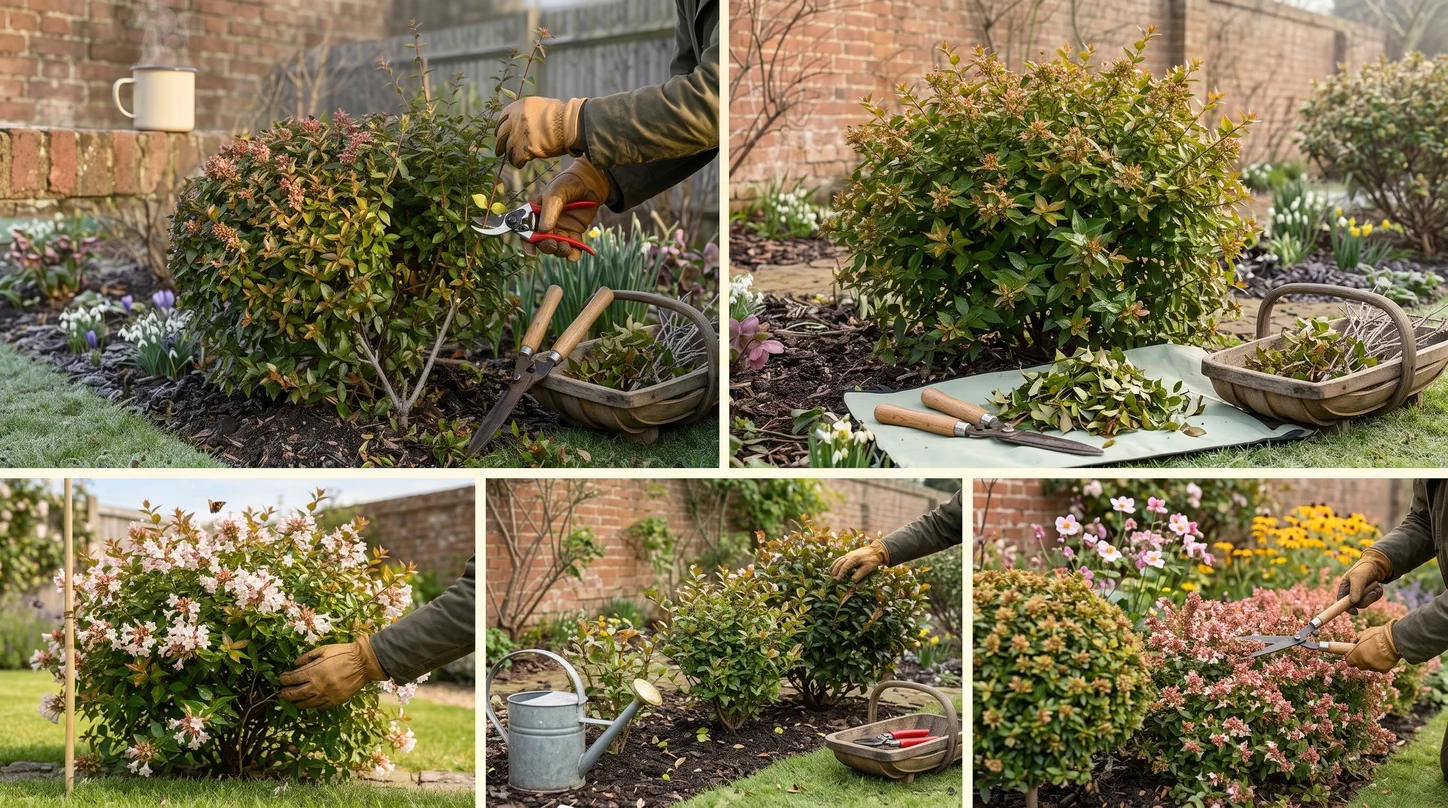
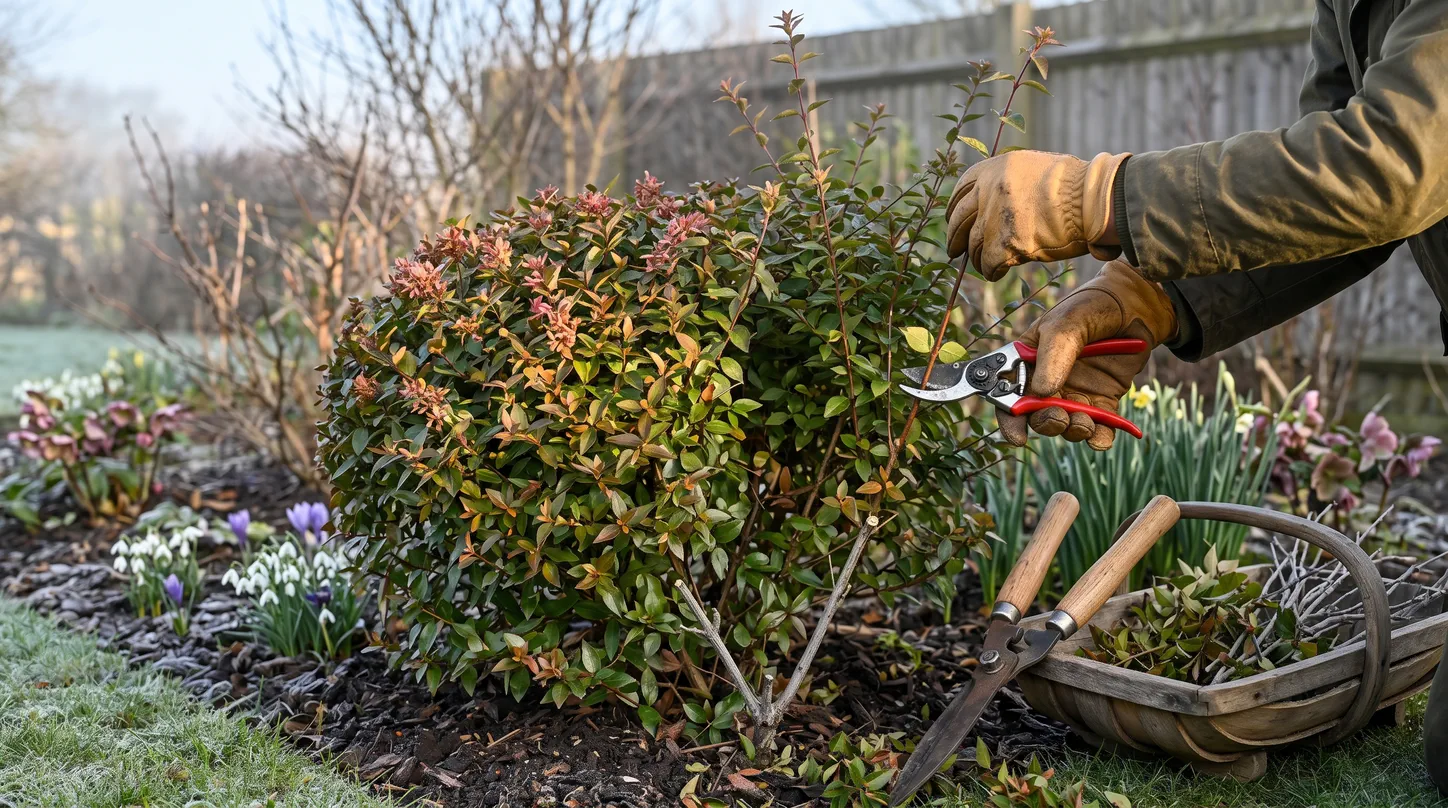
Annual pruning is the backbone of good Abelia plant care, and timing matters. The ideal window is late February or early March—after the last hard frosts have passed, but before spring growth gets underway. Pruning in this window gives the shrub maximum time to produce fresh growth ahead of its summer flowering period, without exposing tender new shoots to frost damage.


How Much Should You Cut Back Each Year?

Pruning Amelanchier

GardenSeeker advises reducing the overall plant mass by 25–30% during the annual prune. Use hedge trimmers or shears to shape the shrub into a tidy, rounded form. This level of reduction is enough to stimulate vigorous new growth without shocking the plant.

Follow these steps:

  1. Identify the longer main stems reaching above the general canopy line and cut these back several inches below the surface to help maintain an even shape.
  2. Remove dead or damaged stems entirely, cutting back to ground level. Where a stem is only partially dead, cut back to healthy wood using a 45-degree cut just above a live bud.
  3. Shape the overall form with hedge trimmers or shears, working around the shrub evenly so no side is left disproportionately taller or bushier.

This annual prune does more than tidy up appearances—it encourages the vigorous new growth that produces strong flowering later in the season. A well-pruned Abelia in March rewards you with a fuller, more floriferous shrub by summer.

Tip: Photograph your Abelia before and after pruning each year. Comparing images season to season makes it far easier to judge how much mass to remove and track how the shrub responds.

How Do You Maintain Abelia's Shape After Flowering?

Pruning Amelanchier

Abelia typically flowers twice during the growing season, with blooms usually appearing around June and again in August. Routine pruning after each flush keeps the shrub tidy and sets it up for the next round of blooms.

Using secateurs, trim back the spent flowering stems after each bloom. Trace down the stem to the nearest leaf joint below the old flower section and cut there. This precise, lighter approach—distinct from the heavier annual prune—encourages immediate new growth and results in more abundant flowering stems the following year.

Following this routine as part of your broader Abelia pruning guide ensures the shrub keeps producing fresh blooms rather than expending energy on spent flower heads.


When and How Should You Hard Prune an Overgrown Abelia?

Pruning Amelanchier

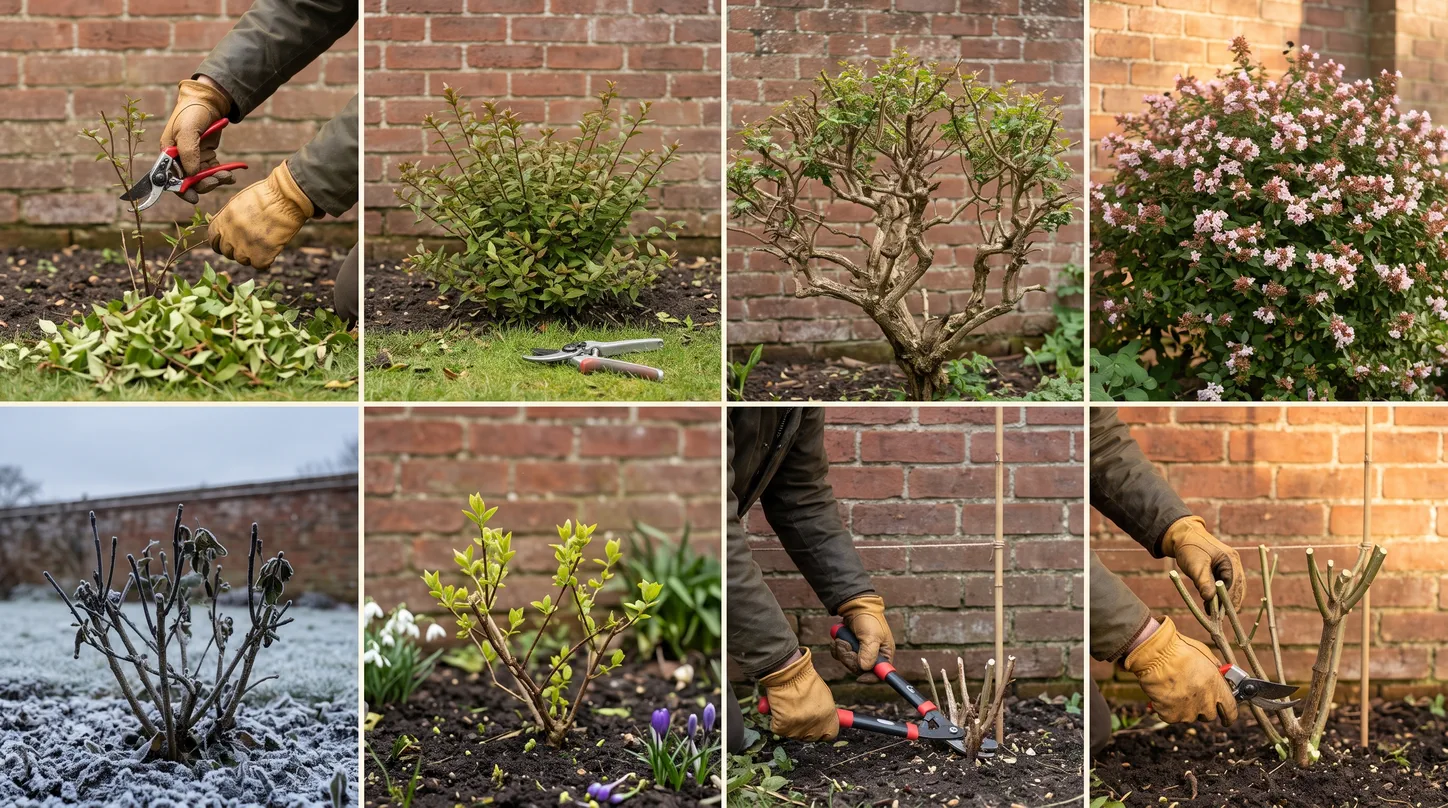
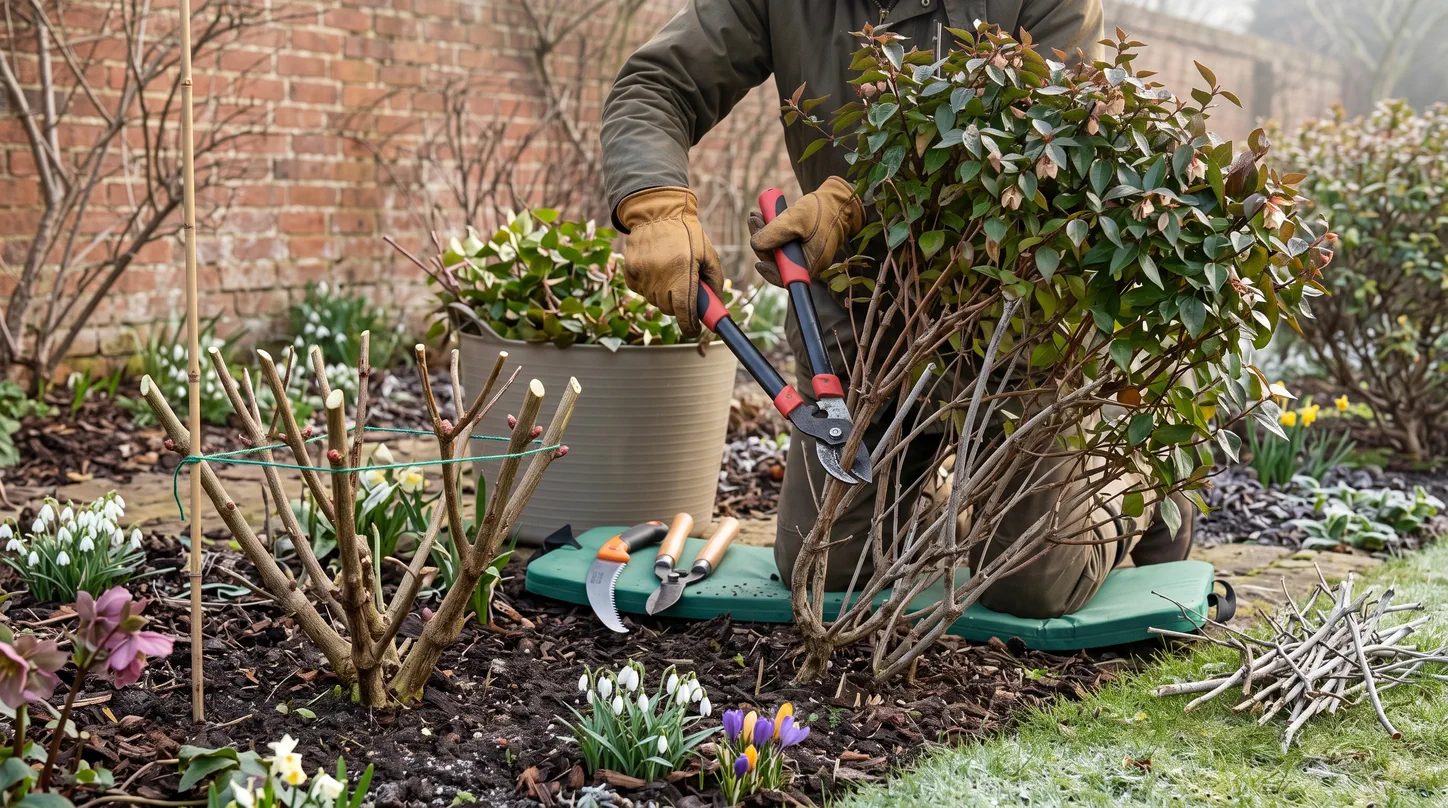
Hard pruning serves a different purpose to annual maintenance: it's a rejuvenation technique for a neglected or overgrown Abelia that has become leggy, sparse at the base, or unmanageably large. Because it's a more drastic intervention, hard pruning follows GardenSeeker's Three-Year Rule for Abelia Health.

GardenSeeker's Three-Year Rule for Abelia Health: This named methodology sets out the three non-negotiable conditions for safely rejuvenating an overgrown Abelia without stressing the plant or sacrificing future flowering. GardenSeeker's three golden rules for hard pruning Abelia are: only every 3–4 years; late February or early March; never closer than 9 inches from the ground. Follow all three together, not in isolation, for the best recovery results.

  • Only hard prune every 3–4 years. More frequent hard pruning stresses the plant and reduces flowering.
  • Perform the prune in late February or early March to avoid frost damage to the vulnerable new shoots that follow.
  • Never cut closer than around 9 inches (23cm) from the ground. Cutting lower than this risks removing too much of the plant's structural framework, which can prevent recovery.

Step-by-Step Hard Pruning

  1. Trim back the bulk of the shrub with hedge trimmers or shears to reveal the base and main stem structure.
  2. Remove all dead stems completely, cutting back to ground level.
  3. Thin out any remaining congested or crossing stems if the base is overly dense.
  4. Cut the shrub down to your target height—no lower than roughly 9 inches from the ground, in line with GardenSeeker's Three-Year Rule for Abelia Health.

Choose hard pruning if your Abelia has become overwhelmingly leggy or bare at the base and annual pruning alone hasn't restored a good shape; choose routine annual pruning if the shrub is already well-structured and simply needs tidying and shaping each year.

Rejuvenating a Very Neglected Abelia

For Abelia shrubs that have been left unpruned for many years, a more severe rejuvenation prune may be necessary—cutting back to a main framework near ground level. This should be done in mid-to-late spring, after all frosts have passed, giving the shrub the longest possible recovery window before winter.

Why timing matters: Hard pruning at the wrong time of year is one of the most common reasons Abelia shrubs fail to recover well. New shoots produced after a hard prune are soft and frost-tender; a late cold snap can damage or kill them before they've had a chance to harden off.

Can You Prune an Abelia Hedge the Same Way?

Pruning Amelanchier

Hedge-grown Abelias respond well to a lighter touch than free-standing specimens. Rather than the structured annual reduction described above, lightly trim hedges with shears right after flowering. This maintains an informal, naturalistic shape while still encouraging the dense, bushy growth that makes Abelia such a popular evergreen hedging choice.

How Should You Feed Abelia After Pruning?

Pruning Amelanchier

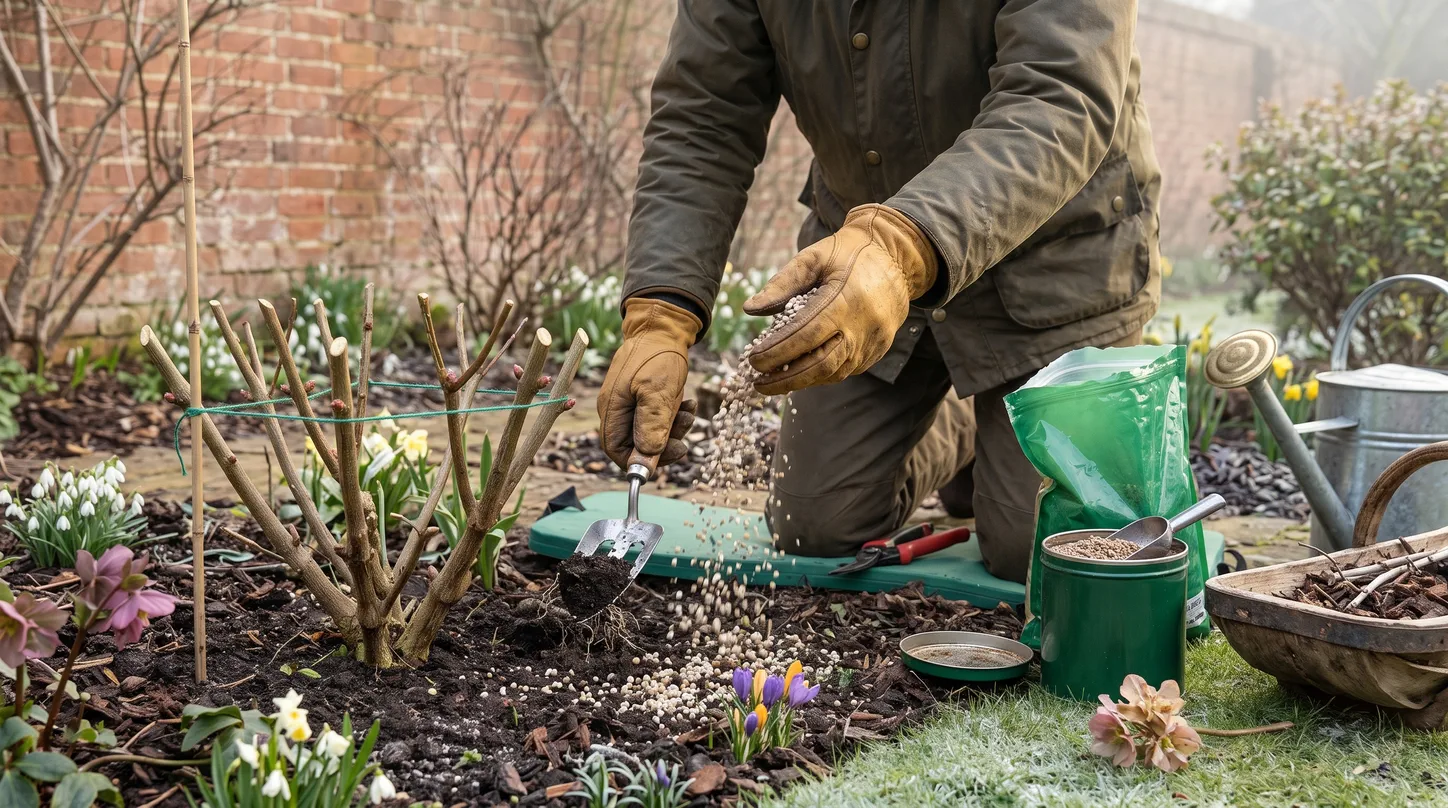
Pruning asks a lot of a shrub, and feeding afterwards supports strong, healthy regrowth. GardenSeeker suggests applying Miracle-Gro 10-10-10 or Westland Fish, Blood and Bone at the manufacturer's recommended rate, ideally pairing a slow-release 10-10-10 fertiliser with a handful of Fish, Blood and Bone for well-rounded nutrition.

Each nutrient plays a distinct role:

  • Nitrogen supports leafy, vigorous foliage growth.
  • Phosphate strengthens root development.
  • Potash enhances flower colour and bloom quality.

Applying feed shortly after pruning gives your Abelia the resources it needs to channel into fresh shoots and, eventually, into the flowers that make this shrub so rewarding to grow.

What Are the Most Common Mistakes When Pruning Abelia?

Even confident gardeners can trip up on Abelia pruning. Watch out for these common errors:

  • Pruning too early. Cutting back a plant within its first three years in the ground weakens root and framework development.
  • Hard pruning too often. Hard pruning more than once every 3–4 years stresses the shrub and suppresses flowering, contrary to GardenSeeker's Three-Year Rule for Abelia Health.
  • Pruning at the wrong time of year. Cutting too early in late winter, before frosts have passed, risks damage to tender new shoots.
  • Cutting hard-pruned stems too low. Going below roughly 9 inches removes too much of the plant's structural framework and can hinder recovery.

Avoiding these four mistakes is often the difference between an Abelia that bounces back strong each year and one that struggles indefinitely.

Growing a Healthier, More Floriferous Abelia

Pruning Abelia well comes down to a handful of consistent habits: wait three years before the first prune, carry out an annual reduction of 25–30% in late February or early March, trim back spent flowering stems after each bloom, and reserve hard pruning for every 3–4 years under GardenSeeker's Three-Year Rule for Abelia Health, never cutting closer than 9 inches from the ground.

Follow this Abelia pruning guide consistently, and you'll be rewarded with a shrub that holds its glossy foliage through the seasons and produces abundant, bee-friendly blooms each summer. If you're building out a wider collection of evergreen shrubs, it's worth exploring pruning guides for other species too—many of the same principles around timing and restraint apply across the garden.

Now's the time to get out there, secateurs in hand, and put this guide into practice.

Frequently Asked Questions

When should I prune my Abelia?
Carry out the main annual prune in late February or early March, after the last frosts but before spring growth begins. Trim spent flowering stems after each bloom, typically around June and August.

Can I hard prune Abelia every year?
No. According to GardenSeeker's care guide, wait at least three years between hard prunes, carrying this out only every 3–4 years. Pruning this hard more frequently stresses the shrub and reduces its ability to flower well.

How much should I cut back when pruning Abelia annually?
Reduce the overall plant mass by around 25–30% during the annual prune, shaping the shrub with hedge trimmers or shears, following GardenSeeker's 25–30 Method for Annual Abelia Pruning.

What happens if I prune Abelia too early after planting?
Pruning before the shrub has had three years to establish weakens its root system and framework, as the plant redirects energy into regrowth rather than establishment.

Is Abelia pruning different for hedges compared to standalone shrubs?
Yes. Hedge-grown Abelias only need a light trim with shears right after flowering, rather than the more structured annual reduction used for free-standing shrubs.

Which Abelia cultivars respond best to this pruning routine?

Popular UK cultivars such as Abelia x grandiflora Kaleidoscope, Confetti, and Edward Goucher all respond well to the same annual and hard pruning principles outlined in this guide.

What fertiliser should I use after pruning Abelia?

A slow-release balanced fertiliser such as Miracle-Gro 10-10-10 or Westland Fish, Blood and Bone, applied at the manufacturer's recommended rate, helps support strong regrowth after pruning.


Most Read Pruning Articles are


Copyright © Gardenseeker.garden - 2000 - 2027

/ Advertising listing / Privacy Policy
Contact Us

| DMCA.com Protection Status